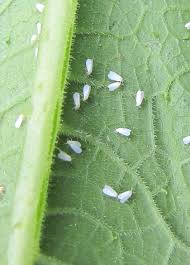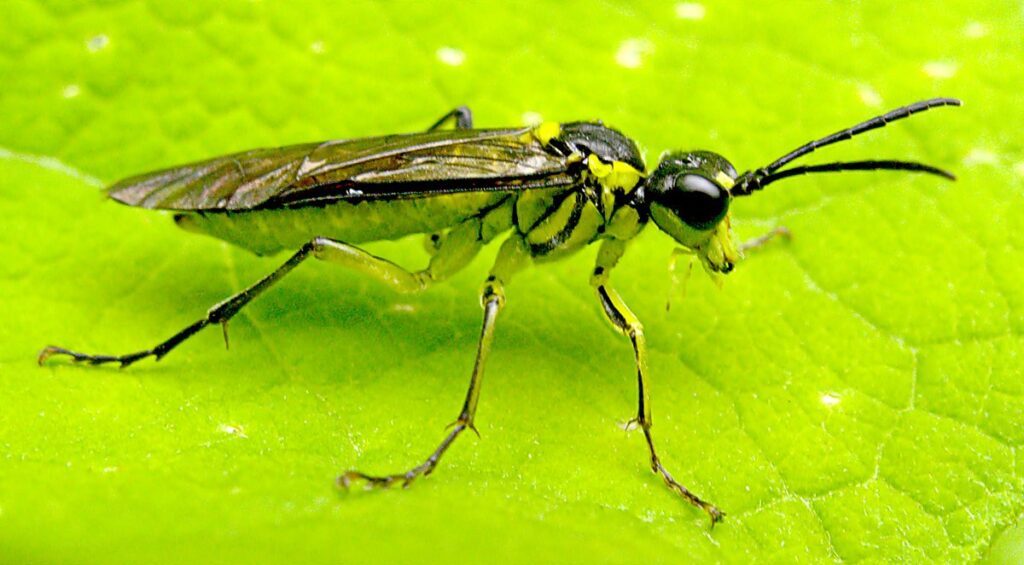
Even the most ardent plant lover can find themselves in a showdown with uninvited guests—scale insects. These tiny sap-suckers can cause damage to both indoor houseplants and beloved outdoor garden specimens. But don’t worry, managing scale insects naturally is entirely within reach. This comprehensive guide will help you identify and manage these pests using essential techniques like pruning, oils, and beneficial insects, so your plants can return to their healthy, vibrant glory.
Identifying Scale Insects
Scale insects are a bit tricky to spot due to their discreet nature and protective armor-like shells. They often resemble small scales or bumps, leading to a common initial misidentification as plant disease or mineral deposits. Scale insects primarily fall into two categories:
- Soft Scale: These have a waxy, protective coating and can be yellow, brown, or salmon-colored. Disease spreaders, they excrete honeydew, causing sooty molds to grow.
- Armored Scale: With a tougher shell, these insects don’t excrete honeydew but can cause significant damage by sucking sap from plant tissues.
Signs of Infestation
Recognizing early signs of infestation is crucial to managing scale naturally. Look for:
- Yellowing or wilting leaves
- Sticky substances on foliage or surrounding areas, known as honeydew
- Sooty mold, which thrives on the honeydew
- Stunted plant growth
Pruning: The First Line of Defense
Pruning infected areas of your plants can be a highly effective first step in managing scale insects naturally, especially with early detection. Here’s how to do it properly:
- Identify Affected Areas: Look for heavily infested branches and leaves.
- Use Clean Tools: Sterilize your pruning shears with rubbing alcohol before and after each cut to prevent spreading the infestation.
- Dispose Carefully: Immediately dispose of pruned material in sealed bags to prevent females from laying eggs on the soil below.
- Encourage Air Circulation: Regular pruning also promotes better air circulation, which helps keep the plant healthy and less attractive to pests.
Deploying Natural Oils for Protection
Once physical removal through pruning is complete, natural oils offer an environmentally friendly way to control population numbers. Here’s how to apply these oils effectively:
Types of Oils
- Neem Oil: Derived from the seeds of the neem tree, this oil disrupts the lifecycle of scale insects, acting as a deterrent and a growth regulator.
- Horticultural Oils: These petroleum-based oils, safe for most plants, suffocate scale insects by coating their bodies and spiracles.
- Insecticidal Soaps: Effective against soft scale, insecticidal soaps disrupt cell membranes, leading to dehydration of the pests.
Application Tips
- Apply early in the morning or late in the evening to minimize harming beneficial insects.
- Thoroughly coat both upper and lower leaf surfaces, as well as stems.
- Reapply weekly or after rain for continual protection.
- Always follow manufacturer instructions for safe and effective usage.
Beneficial Insects: Nature’s Pest Control
Fostering a garden that encourages beneficial insects naturally helps manage scale populations. These beneficial insects view scale as a food source and can be considered your little green-army:
- Ladies Beetles: These voracious predators can devour a large number of scales in a short span.
- Lacewings: Both adult and larval lacewings feast on soft-bodied insects like scales.
- Parasitic Wasps: These tiny wasps lay eggs inside the scales, and the emerging larvae consume the host from the inside out.
How to Attract Beneficial Insects
Create a welcoming environment for your beneficial allies by:
- Including a diverse range of plants to offer shelter and pollen sources.
- Eliminating excessive pesticide use, which can harm these helpful creatures.
- Providing water sources such as shallow dishes or garden ponds.
Conclusion
When dealing with a scale insect invasion, the natural approach combines diligence, hobby, and environmental consciousness. By identifying early signs and employing methods such as strategic pruning, utilizing natural oils, and encouraging beneficial insects, you will empower your plants to thrive despite these sneaky foes. Remember that gardening is a journey of learning and symbiosis with the environment.
Now that you’re equipped with natural strategies for managing scale, set forth with confidence into your garden sanctuary or indoor oasis. Embrace the role of a guardian when it comes to keeping your plants healthy, naturally.