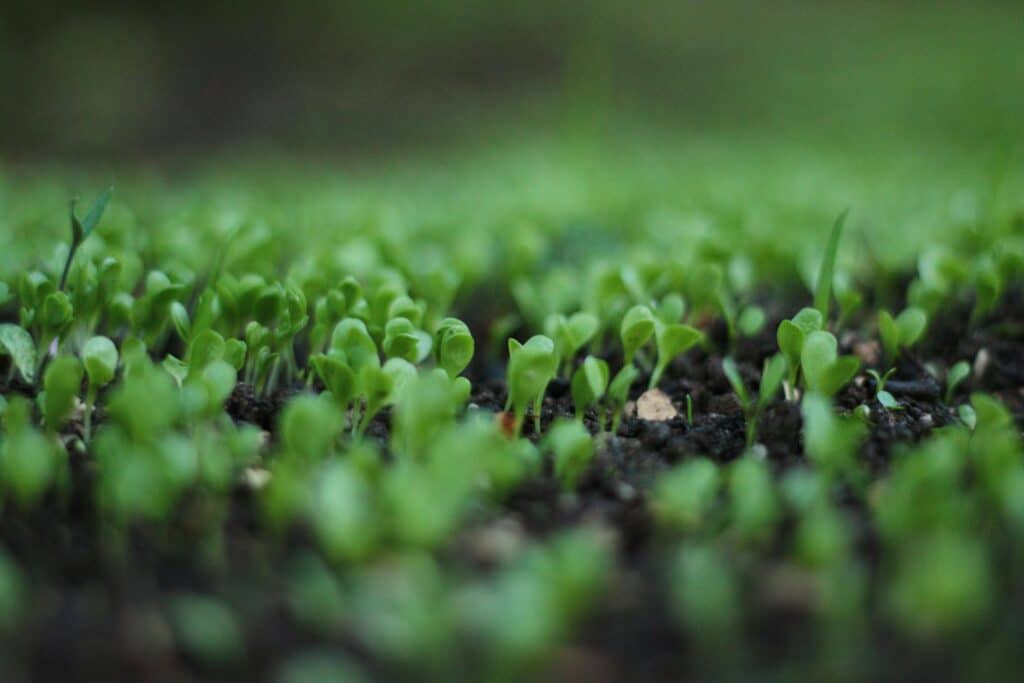
In the delicate symphony of nature, the soil acts as the conductor, guiding plants toward optimal health and blooming vitality. A critical component of this finely tuned orchestra is the soil’s pH level, a measure of its acidity or alkalinity. Understanding how pH affects nutrient uptake and overall plant health can dramatically enhance your gardening practices and yield. Fortunately, there are natural ways to adjust pH, utilizing resources like lime, sulfur, and compost to create an ideal environment for your garden. This exploration will equip you with the knowledge and methods needed to foster a flourishing landscape.
Understanding pH and Its Impact on Plant Health
The pH scale, ranging from 0 to 14, reveals whether the soil is acidic (0-6.9), neutral (7), or alkaline (7.1-14). This chemical characteristic of your soil significantly dictates which nutrients are available to plants. Most nutrients become available in slightly acidic to neutral conditions, with the sweet spot often being between pH 6 and 7.5. However, different plants have different pH preferences; for example, blueberries thrive in more acidic soils, while lilacs prefer a slightly alkaline environment.
Nutrient Availability and pH
Soil pH affects nutrient availability through the chemical solubility of essential minerals.
- Acidic Soils (Low pH): Often suffer from nutrient lock-out where elements like calcium, phosphorus, and magnesium become less available, potentially leading to deficiencies.
- Alkaline Soils (High pH): Can lead to reduced availability of micronutrients such as iron, manganese, copper, and zinc, causing issues like chlorosis (yellowing leaves).
Understanding these dynamics is crucial as mismatches in pH and plant requirements can stifle growth and hinder productivity. Therefore, adjusting soil pH naturally, when out of balance, becomes a vital task for gardeners and homesteaders.
Natural Solutions for Adjusting Soil pH
Using Lime to Raise pH
When soil is too acidic, lime is an effective natural amendment to increase pH levels. Lime, essentially calcium carbonate, works by neutralizing acidity and releasing essential calcium into the soil. Different forms of lime are available, such as dolomitic limestone that also adds magnesium.
- Test Your Soil: Begin by conducting a soil test to accurately determine its pH and decide how much lime is needed.
- Even Application: Distribute the lime evenly across your garden beds for consistent results, ideally in the fall or early spring.
- Work It In: Lightly till or rake the lime into the topsoil to integrate it with the existing soil structure.
- Water Thoroughly: Water the area after applying lime to activate the lime particles and help them dissolve into the soil.
Using Sulfur to Lower pH
On the flip side, if your soil is too alkaline, sulfur provides a natural remedy to reduce pH. Elemental sulfur, when metabolized by soil bacteria, forms sulfuric acid which gently lowers the pH.
- Determine the Rate: As with lime, knowing your soil’s pH is crucial to apply the correct amount of sulfur. Generally, the recommendation is one-quarter to one-half pound per 100 square feet.
- Incorporate with Care: Use a shovel or tiller to mix sulfur into the upper layers of soil. Be delicate not to disturb plant roots.
- Apply Moderately: It’s better to gradually adjust the pH over time rather than making drastic changes all at once.
Compost: A Versatile Ally
Compost serves as an all-star amendment for maintaining or slightly adjusting pH while enriching soil with organic matter. Its buffering ability helps to temper extreme pH levels, nudging soil toward nutritional equilibrium.
- Compost decomposes into humus, providing slow-release nutrients and improving soil structure and aeration.
- Creating your own compost from kitchen scraps and yard waste not only recycles organic material but also supports a balanced pH over time.
- Apply compost in a thick layer as a mulch or work it into soil to gradually amend pH levels.
Embrace the Journey of Soil Stewardship
An understanding of soil pH and its influence on nutrient uptake opens the door to a more abundant and healthy garden. The natural amendments of lime, sulfur, and compost provide you with powerful yet gentle tools to steer your soil’s pH toward the optimal range, promoting vigorous plant growth and wellbeing.
Embrace this journey of soil stewardship with heart and patience, observing how each adjustment transforms your garden into a thriving ecosystem. Regularly test your soil and adjust your techniques as your gardening wisdom grows. Remember, the health of your soil is the foundation upon which a vibrant garden is built.
As you continue to nurture your plants this season, explore the responses of your garden to these natural pH adjustments. Share your experiences and insights with fellow gardeners, and together, cultivate a network of knowledge and support.
Ready to make your soil sing in harmony with nature? Test your soil’s pH and start the journey towards vibrant plant health today with natural solutions!