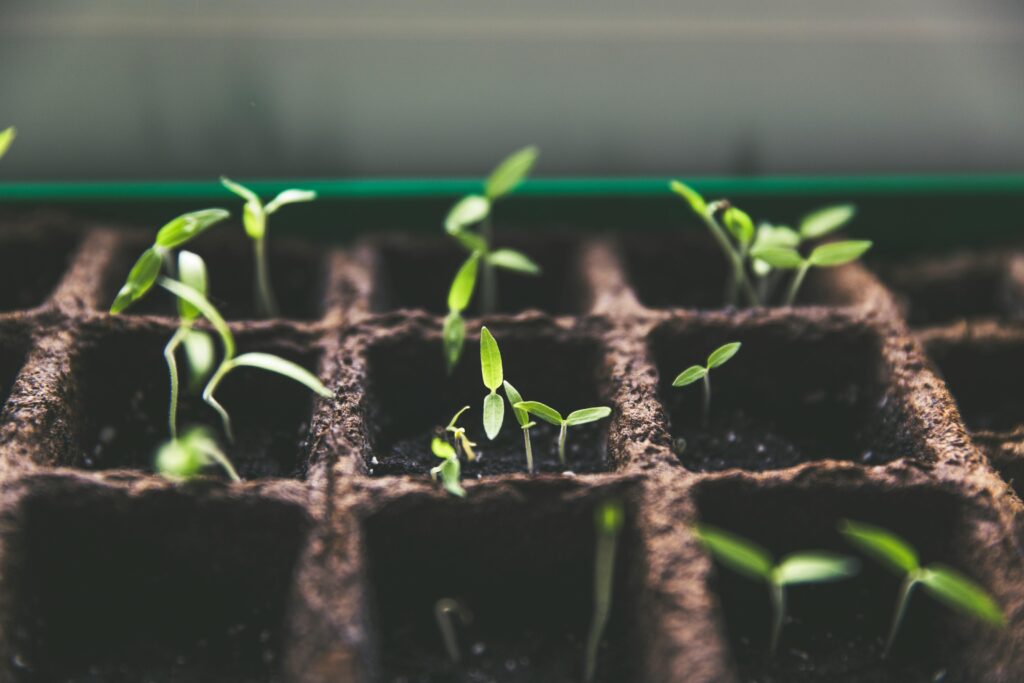
Gardening is one of the most rewarding and grounding hobbies you can adopt. Whether you’re hoping to grow your own food, add beauty to your space, or connect with nature on a deeper level, getting your hands in the soil is a deeply healing act. But if you’re just getting started, it can feel overwhelming. These beginner-friendly tips will help you grow a thriving garden—without the guesswork.
1. Start Small and Build From There
One of the most common mistakes new gardeners make is taking on too much, too fast. You don’t need a huge plot to get started. A few containers on your porch or a 4×4 raised bed is more than enough for your first season. Learn what grows well in your space, experiment, and expand as your confidence grows.
2. Know Your Growing Zone
Your USDA Hardiness Zone (or local climate zone, if outside the U.S.) determines what plants will thrive in your area. Look up your zone and use it to guide your plant choices, planting times, and overwintering strategies.
3. Learn the Light in Your Space
Sunlight is critical. Most vegetables and herbs need 6–8 hours of direct sunlight per day. Spend a few days observing your garden space—when and where does the sun hit? Choose plant locations accordingly, and be realistic about what you can grow with the light you have.
4. Focus on Soil Health
Healthy soil = healthy plants. Start by amending your soil with compost, worm castings, or organic matter to build fertility. Avoid synthetic fertilizers if possible—they may feed your plants in the short term but degrade soil life over time. If you’re growing in containers, choose high-quality organic potting mix.
5. Water Smart, Not Hard
Overwatering is one of the top killers of garden plants. Instead of watering daily, water deeply but less frequently. Aim for about 1 inch of water per week (including rainfall), and water early in the morning to prevent disease. Consider using mulch to retain moisture and reduce evaporation.
6. Choose Easy, Productive Plants First
Start with forgiving, quick-growing crops that offer consistent results. Great beginner veggies include:
- Lettuce and leafy greens
- Radishes
- Zucchini
- Bush beans
- Tomatoes (especially cherry varieties)
- Herbs like basil, parsley, and chives
These build confidence and teach you the rhythm of plant life.
7. Companion Plant for Natural Support
Companion planting is an ancient technique of growing plants together that support each other. For example, basil can repel pests from tomatoes, and marigolds deter aphids and nematodes. Mixing flowers and herbs into your veggie garden also attracts beneficial pollinators.
8. Expect (and Learn from) Failure
Not everything will grow perfectly—and that’s okay. Bugs might eat your kale. A heat wave might fry your cucumbers. Gardening is about observing, adapting, and trying again. Each season teaches you something valuable. Embrace mistakes as part of the process.
9. Label Everything
It’s surprisingly easy to forget what you planted where, especially if you’re sowing seeds. Use plant markers, popsicle sticks, or recycled materials to clearly label your crops. This will help you track growth and plan future gardens.
10. Keep a Garden Journal
Recording your successes, struggles, weather patterns, and harvest dates helps you grow smarter each year. Write down what varieties you planted, how they performed, and what you’d do differently next time. Your future self will thank you!
Final Thoughts: Gardening Is a Long-Term Relationship
Gardening is a beautiful blend of science, intuition, and patience. You don’t need a green thumb to begin—just a willingness to learn and get a little dirty. With these tips in your back pocket, you’ll be well on your way to cultivating a vibrant, thriving garden that nourishes both body and soul.