Nematodes are microscopic roundworms that live in the soil—and while some are beneficial, others can wreak havoc on your crops. These plant-parasitic nematodes attack from the roots, often going unnoticed until your plants begin to wilt, yellow, or stop producing altogether.
Because they live underground, nematodes can be a silent but devastating problem, making early detection and consistent soil management key to keeping your garden healthy.
What Are Nematodes?
Nematodes are tiny, unsegmented worms found in virtually all soil environments. Most are harmless or even beneficial (some feed on bacteria, fungi, or other pests), but about 10% of nematode species are plant parasites.
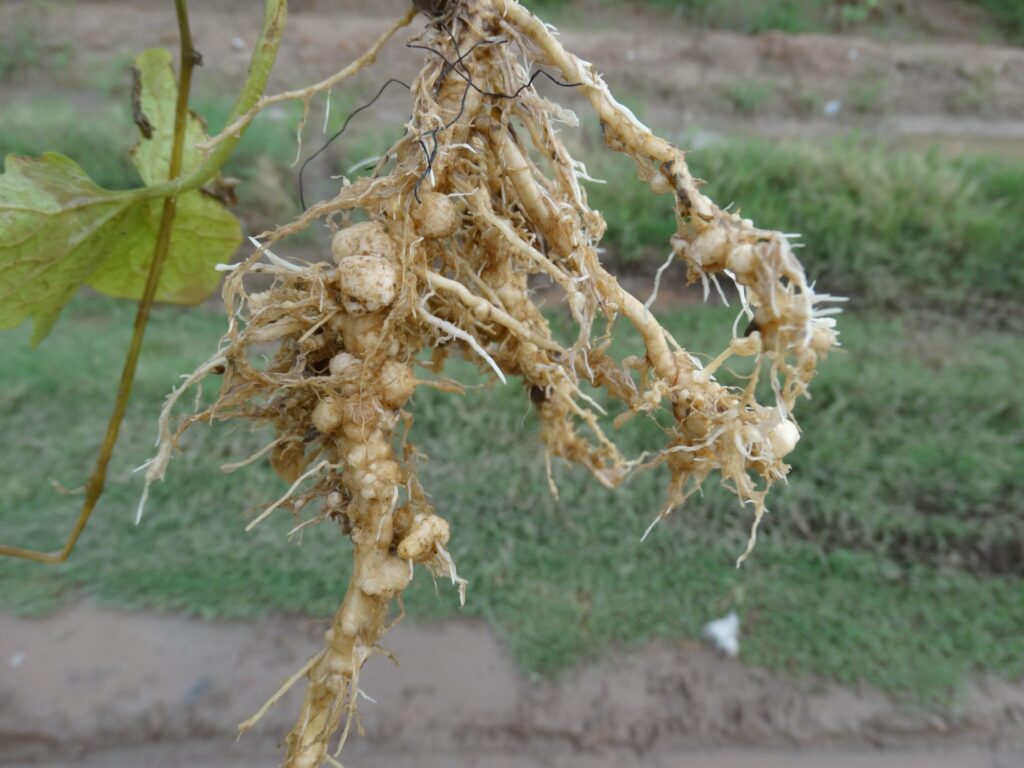
The most common destructive varieties include root-knot nematodes, which invade plant roots and cause visible galls or knots. These pests interfere with water and nutrient uptake, often stunting or killing plants if left unchecked.
Signs of a Nematode Problem
Since nematodes operate underground, damage isn’t always immediately visible. However, there are key signs you can watch for:
- Stunted growth, especially in isolated patches of the garden
- Wilting or yellowing leaves, even with proper watering
- Poor fruit or flower production
- Roots that appear knobby, swollen, or galled
- Plants that pull up too easily from the soil
- Overall poor plant vigor despite good care
Symptoms are often confused with nutrient deficiencies or other root diseases—so if you’ve ruled those out, nematodes could be the culprit.
Common Types of Plant-Parasitic Nematodes
There are over 4,000 types of nematodes that attack plants, but these are the most troublesome for home gardeners:
🥕 Root-Knot Nematodes (Meloidogyne spp.)
- The most common type in vegetable gardens
- Cause swollen, knot-like growths on roots
- Affect a wide variety of crops including tomatoes, carrots, beans, cucumbers, and peppers
🧄 Lesion Nematodes (Pratylenchus spp.)
- Tunnel into root tissue and cause brown, rotting lesions
- Often lead to secondary infections by bacteria and fungi
🌱 Cyst Nematodes (Heterodera and Globodera spp.)
- Form small cysts on roots (especially in potatoes and soybeans)
- Difficult to detect without lab testing
When and Where Nematodes Are a Problem
Nematodes thrive in warm, sandy soils with poor organic matter. They are most active during the growing season (spring through fall) and prefer moist conditions.
You’re more likely to encounter nematodes if:
- You plant the same crops in the same area every year
- Your soil lacks diversity and organic matter
- You use synthetic fertilizers or pesticides that disrupt soil ecology
- You bring in infested plants or soil
How to Control Nematodes Organically
Eradicating nematodes completely is nearly impossible—but you can control their populations and reduce their impact with strategic, organic methods.
🧪 1. Soil Testing
If you’re unsure whether nematodes are to blame, submit a soil sample to your local extension service for nematode analysis. This gives you a clear understanding of the species and population level.
🔄 2. Crop Rotation
Don’t plant the same type of crops in the same soil year after year—this allows nematode populations to build up.
- Rotate with grasses or grains (like corn or oats), which are poor hosts
- Avoid rotating with other susceptible crops from the same plant family
🌱 3. Grow Nematode-Resistant Varieties
Many seed companies now offer nematode-resistant cultivars, especially for tomatoes and peppers. Look for labels like:
- “VFN” (Verticillium, Fusarium, Nematode resistance)
- “Nematode-tolerant” or “resistant to root-knot nematodes”
💩 4. Add Organic Matter
Healthy soil helps control nematodes naturally. Enrich your beds with:
- Compost
- Aged manure
- Cover crops like clover or buckwheat
Organic matter supports beneficial organisms that feed on nematodes or compete with them.
🌼 5. Use Trap or Biofumigant Crops
Some plants are excellent for “trapping” nematodes or releasing natural nematicides into the soil.
- Marigolds (Tagetes spp.): Especially French marigolds, produce compounds toxic to root-knot nematodes
- Mustard and radish: Can be tilled into the soil as green manure to suppress nematode populations
Be sure to destroy the crop before it sets seed for maximum effect.
🐛 6. Apply Beneficial Nematodes
Not all nematodes are bad! You can introduce parasitic nematodes (like Steinernema feltiae or Heterorhabditis bacteriophora) to attack harmful soil pests—though they aren’t usually effective against plant-parasitic nematodes directly.
Still, they improve soil balance and help reduce pest populations.
🧴 7. Organic Soil Treatments
Some natural amendments have been shown to reduce nematode activity:
- Neem cake or neem oil (has nematicidal properties)
- Molasses or fish emulsion (feeds soil microbes that compete with nematodes)
- Chitin (from crab or shrimp shells) stimulates natural nematode predators
Apply according to product instructions and mix into soil where nematodes are present.
Preventing Nematode Infestations
- Solarize soil before planting by covering with clear plastic for 4–6 weeks in full sun to kill nematodes and other soil-borne pests
- Clean tools and boots between beds to avoid spreading infected soil
- Avoid bringing in contaminated soil or plants
- Test compost and manure sources to ensure they’re free of nematodes
Companion Plants to Help Deter Nematodes
Some plants can naturally reduce nematode populations by releasing compounds that suppress or kill them:
- French marigolds
- Mustard greens
- Daikon radish
- Chrysanthemum
Plant them as companions or rotate them through your beds to keep soil healthy.
Final Thoughts
Nematodes are tiny but powerful pests that can silently decimate crops from below the surface. While they’re difficult to eliminate, building healthy, biodiverse soil, practicing smart crop rotation, and using organic deterrents like marigolds and compost can go a long way toward keeping your garden resilient.
Stay proactive, test your soil if you suspect a problem, and adjust your planting strategy to keep nematodes in check year after year.