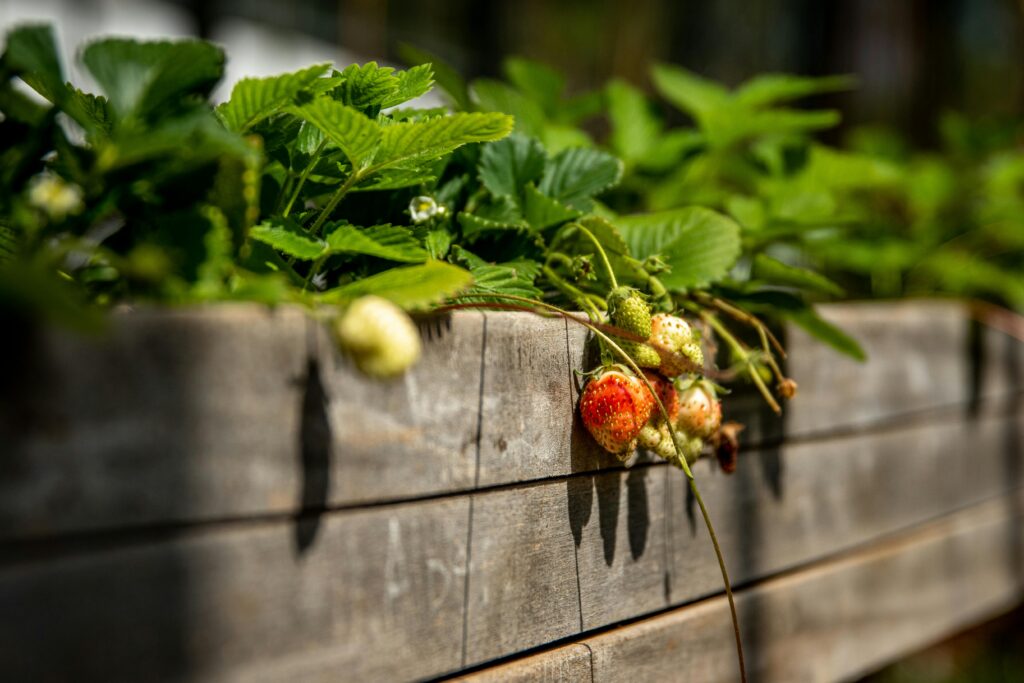
As an organic gardener, you’re already aware of the benefits of using natural methods to nurture your growing space. Whether you’ve just started digging into DIY projects, or you’re a seasoned homesteader, exploring natural alternatives to chemical fertilizers can be a game-changing decision for your garden. Today, we’re diving deep into DIY natural liquid fertilizers that can transform your garden with organic goodness.
From boosting soil health to enhancing plant vigor, natural fertilizers made from everyday materials can provide essential nutrients, improve plant growth, and promote sustainability. In this roundup, you’ll learn about five beginner-friendly DIY liquid fertilizers: Fermented Fruit Juice (FFJ), Compost Tea, Comfrey Tea, Fish Emulsion, and Banana Peel Potassium Extract. These solutions are both budget-friendly and effective for promoting a naturally productive garden ecosystem.
Fermented Fruit Juice (FFJ)
Fermented Fruit Juice (FFJ) is a versatile, nutrient-rich liquid fertilizer that stands out for its ease of preparation and ability to enhance fruiting. It’s particularly effective for flowering and fruit-bearing plants that thrive with natural potassium and micronutrients.
What It Does
FFJ feeds plants with essential minerals, amino acids, enzymes, and natural sugars that boost overall plant health, fruit size, and sweetness. By fermenting fruit scraps, you harness a concentrated form of energy for blooming stages.
How to Make FFJ
- Gather ripe or overripe fruits like bananas, mangos, or papayas. Wash them thoroughly to avoid contamination.
- Chop the fruits and place them in a jar. Mix with an equal weight of brown sugar, ensuring the fruits are entirely coated.
- Seal the jar with a breathable cloth and keep in a cool, dark place for 7–10 days, allowing fermentation to occur.
- Strain the liquid into another container and store it in the refrigerator.
How to Use and When
Dilute 10-15 ml of FFJ in 1 liter of water. Apply during the flowering or fruiting stage every 1–2 weeks to enhance fruit production and sweetness naturally.
Benefits
- Improves flower development and fruit quality.
- Supports beneficial microbial activity in the soil.
- Increases resilience to pests and diseases naturally.
Compost Tea
Compost Tea is a liquid fertilizer brewed by steeping compost in water. This quintessential natural fertilizer can turbocharge your plant’s access to the wealth of nutrients found in compost.
What It Does
It acts as a microbial inoculant, transferring robust bacteria and fungi directly from compost to your plants, enhancing nutrient cycling and improving soil structure naturally.
How to Make Compost Tea
- Fill a bucket with water and aerate it to remove chlorine if using tap water.
- Insert a generous amount of mature compost into a breathable cloth or mesh bag. Immerse it in the water.
- Let it brew for 24–48 hours, stirring occasionally to allow oxygen penetration.
- Strain the liquid to remove solids.
How to Use and When
Use compost tea immediately after brewing. Apply it by foliar spray or as a soil drench every two to four weeks for a natural growth boost.
Benefits
- Increases microbial diversity in the garden naturally.
- Boosts plant growth and improves root development.
- Enhances plant disease resistance.
Comfrey Tea
Comfrey Tea is a well-loved staple for permaculture enthusiasts and organic gardeners alike. It harnesses comfrey’s deep tap roots, which draw minerals from the soil naturally.
What It Does
This rich, organic liquid fertilizer provides a healthy dose of potassium, nitrogen, phosphorus, and trace elements, encouraging lush foliage and robust rooting. Perfect for leaf vegetables, tomatoes, and cucumbers.
How to Make Comfrey Tea
- Harvest comfrey leaves, ideally before flowering, for maximum nutrient content. Chop them finely.
- Place the leaves in a bucket and cover with water. Use a ratio of roughly 2 parts leaves to 1 part water.
- Cover the bucket loosely and allow it to steep for 3–4 weeks, occasionally stirring to assist natural breakdown.
- Strain and dilute the resulting dark liquid.
How to Use and When
Dilute with water at a ratio of 1:10 and apply during the growing season. Comfrey tea is especially effective for nutrient-hungry plants like tomatoes.
Benefits
- Provides essential minerals and supports rapid growth naturally.
- Improves stored nutrient availability in the soil.
- Encourages microbial diversity and activity.
Fish Emulsion
Fish Emulsion is a nutrient-packed fertilizer made from whole fish or fish byproducts. It is popular in organic gardening for its balanced nutrient release and immediate effects, enriching soil fertility naturally.
What It Does
Rich in nitrogen and other trace elements, fish emulsion enhances the production of leafy green vegetables, root crops, and fruit-bearing plants.
How to Make Fish Emulsion
- Source fish scraps or small whole fish. Chop them up and place in a large container.
- Add water and a splash of molasses to aid fermentation naturally, filling the container about two-thirds full.
- Cover with a lid, and allow to ferment for 1–2 weeks, stirring periodically.
- Strain well to remove solids and store the liquid in a cool, dark area.
How to Use and When
Mix with water at a 1:5 ratio before use. Apply it every three weeks during active growth phases for natural growth enhancement.
Benefits
- Provides quick-release nutrients naturally for rapid plant uptake.
- Enhances plant vigor and enables growth under stress.
- Improves microbial life and soil health.
Banana Peel Potassium Extract
Maximize natural potassium usage with Banana Peel Potassium Extract. This simple, effective homemade fertilizer utilizes banana’s naturally rich potassium for the health of your garden.
What It Does
This extract is excellent for enhancing root development, fruit, and flower sets, and for naturally maintaining overall plant vitality.
How to Make Banana Peel Potassium Extract
- Collect banana peels and chop them into smaller pieces.
- Soak them in a jar filled with water, and allow them to sit for 24–48 hours to extract the potassium naturally.
- Strain the banana water into a watering can before use.
How to Use and When
It can be used neat or diluted before watering plants during the fruiting development stage to promote natural growth and yields.
Benefits
- Boosts potassium levels naturally for better fruit quality.
- Improves plant resilience and blooming capacity.
- Fosters a healthier garden ecosystem.
Conclusion: Empower Your Garden Naturally
Implementing these DIY liquid fertilizers will set you on a course towards a more resilient, abundant, and naturally flourishing garden. Each recipe is cost-effective and uses everyday materials, promoting not just plant health but a more sustainable lifestyle too.
Take the next step: Try crafting one of these natural fertilizers today. Notice the difference in your garden’s productivity and health, and share your results with like-minded gardeners. Embrace the naturally empowered gardener within you and cultivate a garden that thrives with minimal ecological footprint!