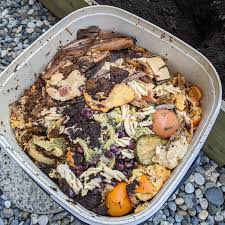
Fermented fruit juice is overripe fruit and brown sugar, left alone in a jar for a week. That’s the whole thing. Recipe first — the why is further down if you want it.
Make it
Equal weights fruit and brown sugar — 1:1
- Weigh your fruit. Overripe, bruised, windfall — the stuff you’d normally compost. Chop it rough. Skins and all.
- Match it with brown sugar by weight. If you have 500g of fruit, you need 500g of sugar. Not volume. Weight.
- Layer them in a glass jar — fruit, sugar, fruit, sugar — and finish with sugar on top. Fill the jar about two-thirds. It needs headroom.
- Cover with cloth and a rubber band. Not a sealed lid. This is an aerobic ferment and it needs to breathe, or pressure builds.
- Keep it cool and dark. Stir once a day.
- Wait 5–7 days. Strain off the liquid into a clean glass bottle. Loose lid.
It’s ready when it smells fruity-sweet and a little boozy or yeasty. Not rotten. If you’re unsure, trust your nose — a good batch smells like something you’d almost drink.
Keeps 3–6 months or longer somewhere cool and dark.
How much to use, and how
This is where most people get it wrong. FFJ is concentrated. You are not pouring this on your plants.
| Use | Dilution | How often | Notes |
|---|---|---|---|
| Foliar spray | 1:500 ≈ 1 tsp per litre |
Every 7–14 days | Early morning or evening only. Never in full sun — you’ll scorch leaves. |
| Soil drench | 1:500 | Every 7–14 days | Water it in around the base, not onto the stem. |
| Seedlings & transplants | 1:1000 | At transplant, then weekly | Half strength. Young roots don’t need the hit. |
| Compost activator | 1:500 | When the pile stalls | Pour over as you turn. |
A teaspoon per litre sounds like nothing. It is supposed to. If your plants look burnt or the leaves go limp after spraying, you went too strong — flush with plain water and halve it next time.
Which fruit, and when
This is the part almost nobody writing about FFJ in English bothers with, and it’s the part that actually matters. The fruit you choose changes what the finished tonic does. Match it to what the plant is doing right now.
| Plant stage | Use this fruit | Why |
|---|---|---|
| Vegetative — leaf and stem growth | Green, leafy-tasting fruits: squash, cucumber, unripe papaya | Lower sugar, milder. Supports growth without pushing the plant into flowering early. |
| Flowering and fruiting | Sweet ripe fruit: banana, mango, ripe melon | Higher sugar and potassium. This is the one you want when buds are setting. |
| Pest pressure | Citrus peel — orange, lemon — or pineapple | The aromatic compounds deter soft-bodied pests. Use as a foliar spray. |
| Transplant shock | Whatever you have, at 1:1000 | Gentle. Helps roots settle without forcing growth. |
You can run more than one batch. A banana FFJ for the tomatoes in July and a squash FFJ for the greens in spring is not overkill — it’s the point.
When it goes wrong
It mostly doesn’t. But here’s what you’ll actually see, and what to do about it.
A white film on top
Kahm yeast. Harmless. Skim it off, carry on, keep stirring daily. It usually means the surface sat still too long.
Fuzzy mould — black, green or blue
Throw it out. Don’t scrape it off and hope. Fuzzy coloured mould means the sugar ratio was off or something got in. Start again, weigh properly, and make sure the sugar layer sits on top.
It smells rotten, not boozy
Too little sugar for the amount of fruit, almost always. Sugar is what preserves it while the ferment works. Compost it and re-weigh next time — this is why we don’t do it by volume.
Nothing seems to be happening
Usually too cold. Fermentation slows right down below about 15°C. Move it somewhere warmer and give it a few more days. Under-ripe fruit will also be sluggish — the riper the better.
It’s syrupy and won’t strain
Normal with very sweet fruit. Add a splash of water, stir, and let it sit another day before straining.
What’s actually happening in the jar
The sugar pulls liquid out of the fruit cells. Wild yeasts and lactic acid bacteria already living on the fruit skin get to work on that liquid, and as they do they release enzymes, plant hormones and the nutrients that were locked up in the fruit tissue.
What you strain off is a living, mildly acidic tonic — not a fertiliser in the NPK sense. It feeds the soil biology and gives the plant compounds it can use straight away. That’s why the dose is so small and the frequency matters more than the volume.
Notes from my own ferments
I garden at 5,600 feet in Western Colorado — cool nights, short season, thin air. Ferments run slower here than most instructions assume. If you’re at altitude, give it the full seven days and don’t panic on day three when not much is happening.
Three things I’d do differently than most write-ups tell you:
Use a carboy, not a jar
I switched to a carboy and stopped opening it during the sit. Less fussing, less chance of something getting in, and no daily stir. The narrow neck means less surface area exposed, which is most of why surface yeast shows up in the first place.
Put the plant material in a paint strainer bag
This is the tip I wish someone had given me first. Load your chopped material into a mesh paint strainer bag before it goes in, layer your sugar around it, and at the end you lift the bag out and squeeze. No pouring through cloth, no sludge, no mess. They cost almost nothing at any hardware shop.
Keep it covered the whole time
Not sealed airtight — covered. It needs to off-gas, but it doesn’t need you checking on it every day. Set it somewhere cool and dark and leave it alone.
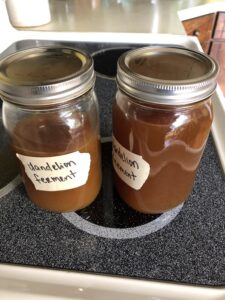
The batch pictured is a dandelion ferment rather than a fruit one — same method, different material. Dandelion goes in as plant matter, which technically makes it fermented plant juice rather than fermented fruit juice, but the technique above transfers exactly.
Common questions
Can I use white sugar instead of brown?
Brown works better — the molasses gives the microbes more to work with. White will ferment, it’s just thinner. Don’t use artificial sweeteners; there’s nothing in them to feed on.
What’s the difference between FFJ and FPJ?
FFJ is fruit. FPJ — fermented plant juice — is made the same way but from fast-growing plant tips and shoots. FPJ is for vegetative growth, FFJ leans toward flowering and fruiting. Most people end up making both.
Can I use fruit that’s already going mouldy?
No. Overripe is good. Bruised is good. Fuzzy is not — you’ll just be culturing that mould.
Does it need to be organic fruit?
It helps, mainly because you want the wild yeasts on the skin intact and not stripped by fungicide residue. Windfall from your own trees is ideal. Supermarket fruit will still work.
How do I know when it’s gone off?
Smell. A good batch smells sweet and winey for months. If it turns sharp, solvent-like or genuinely foul, compost it.
Can I use it on houseplants?
Yes, at 1:1000. Same rules — not in direct sun, and don’t overdo the frequency.