In the world of sustainable living, raising rabbits for meat is gaining traction as an eco-friendly and efficient endeavor. Whether you’re a homesteader looking to reduce your carbon footprint or simply interested in knowing where your food comes from, rabbits are a fantastic choice. Not only are they prolific breeders, but they also have a low environmental impact and provide a nutrient-rich source of protein. In this comprehensive guide, we’ll explore everything you need to know to start raising rabbits for meat naturally—including selecting the right breeds, designing proper housing, understanding their feeding needs, and mastering butchering basics.
Selecting the Right Rabbit Breeds
The first step in raising rabbits for meat is choosing the right breeds. While there are various rabbit breeds, not all are suitable for meat production. Here are some key breeds known for their meat-producing qualities:
- New Zealand White: These are one of the most popular breeds for meat, known for their fast growth rates and large litter sizes. They have an excellent meat-to-bone ratio.
- Californian: A close contender to the New Zealand White, the Californian rabbit is another excellent breed for meat production. They are hardy and adaptable to different climates.
- Champagne D’Argent: Known for their silver coats and flavorful meat, these rabbits are a great choice for those seeking both quality meat and unique fur.
Naturally, the breed you select should align with your homesteading goals and environmental conditions. Some breeds are more resilient in specific climates, so consider your local weather patterns when choosing rabbits for your farm.
Designing Proper Rabbit Housing
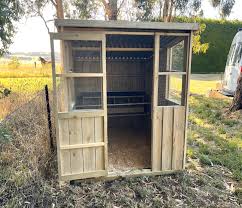
Once you’ve chosen your rabbit breed, the next step is creating a suitable living environment. Proper housing is critical for keeping your rabbits healthy and comfortable. Here are some tips for designing natural rabbit housing:
- Hutches vs. Colonies: Decide whether you prefer traditional hutches or a more natural colony setup. Hutches allow for individual care, whereas colonies offer a more communal, natural lifestyle for your rabbits.
- Size and Space: Ensure each rabbit has adequate space to hop around and play. A minimum of 8 square feet per rabbit is recommended for health and well-being.
- Ventilation and Protection: Good air circulation and protection from predators are crucial. Use wire mesh for the sides and a solid roof to protect from weather elements.
Providing a natural environment for your rabbits reduces stress, promoting better growth rates and healthier animals.
Feeding Your Rabbits Naturally
The diet of your meat rabbits plays a significant role in their growth and overall health. By focusing on a natural feeding regimen, you’ll ensure your rabbits thrive. Here’s what to consider:
- High-Quality Hay: Timothy hay or alfalfa should form the bulk of their diet, ensuring proper digestion and dental health.
- Fresh Vegetables: Carrots, leafy greens, and herbs like parsley and basil can be incorporated to add essential nutrients.
- Pellets: Opt for natural, high-protein rabbit pellets to support growth. Choose pellets without additives or artificial ingredients.
Keep in mind that fresh water must be available at all times. When feeding naturally, varying the diet helps ensure a balanced intake of vitamins and minerals needed for optimal growth.
Butchering Basics
While raising rabbits for meat naturally is rewarding, it also involves the difficult step of butchering. Doing this humanely and efficiently is key to respecting the animal and ensuring meat quality. Here’s what you need to know:
- Preparation: Ensure you have sharp tools and a clean working area before starting. Familiarize yourself with the entire process to minimize stress for both you and the rabbit.
- Humane Dispatch: Learn humane methods, such as cervical dislocation, which is quick and minimizes suffering.
- Processing: Be thorough in processing to make use of the entire animal, ensuring nothing goes to waste. Look into using rabbit pelts for crafts or manure as fertilizer.
It’s essential to practice these steps with respect and gratitude, acknowledging the role rabbits play in your sustainable lifestyle.
Conclusion
Embracing the journey of raising rabbits for meat naturally empowers you to be in control of your food source while contributing to a sustainable lifestyle. From selecting the ideal breeds to designing natural habitats and understanding the essentials of feeding and butchering, each step is integral to your success. As you embark on this journey, remember that patience and continual learning are your best allies.
Ready to get started? Begin by visiting local rabbit farms or agricultural fairs to see different breeds in person. Connect with seasoned rabbit farmers, who can provide personal insights and practical tips. Embrace the learning curve and relish in the sustainable practices you’re adopting.
So, why wait? Take the first step toward a more sustainable, naturally enriched way of living by raising meat rabbits on your homestead.