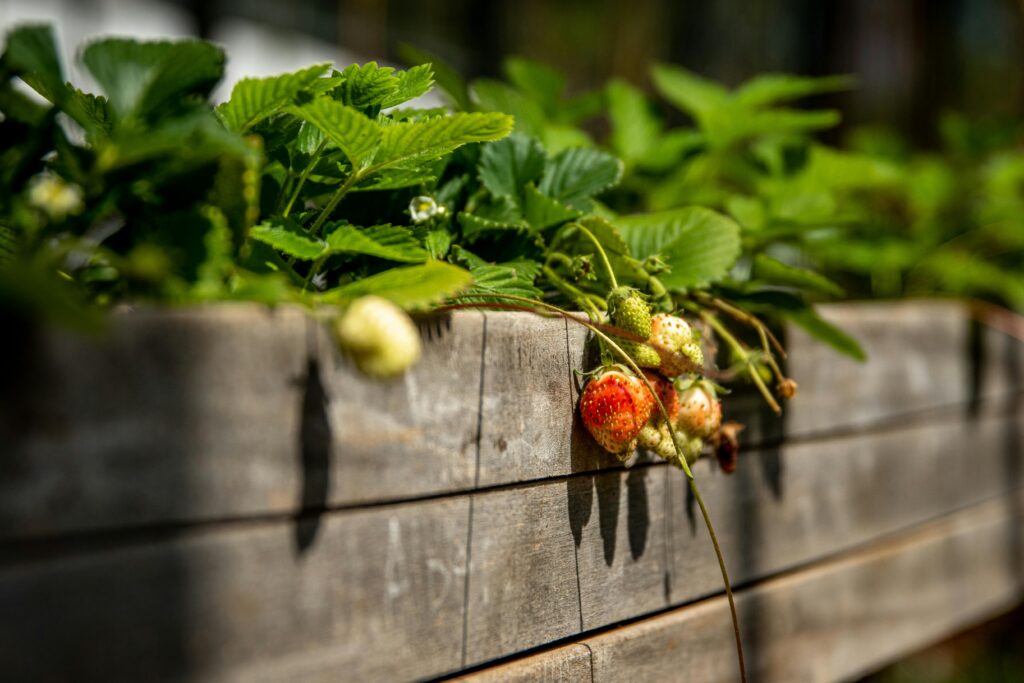
Ah, figs! These luscious fruits, known for their sweet, honeyed flavor and unique texture, have been cherished since ancient times. Growing figs naturally in your own garden allows you to enjoy this delicious fruit while also experiencing the satisfaction of nurturing your very own edible landscape. In this guide, we’ll dive deep into everything you need to know about growing figs— from selecting the right variety and choosing the perfect location to proper care and how to harvest these delectable treats.
Selecting the Right Fig Variety
Before planting figs, it’s essential to choose a variety that suits your climate and taste preferences. Fig trees can thrive in various climates, but some types are better suited for certain regions.
Common Fig Varieties
- Brown Turkey: A reliable and hardy variety known for its adaptability and consistent yield. Its medium to large-sized fruits are perfect for fresh eating.
- Black Mission: An excellent choice for those warmer climates, these figs are sweet and perfect for drying.
- Kadota: Best for cooking and canning due to its lower sugar content but great flavor when dried.
- Celeste: Known for its sweetness, this variety performs well in regions with hot summers.
Understanding your local climate and soil conditions is critical. Consult with local nurseries or agricultural extensions to identify which varieties will flourish naturally in your area.
Choosing the Right Location
The location where you plant your fig tree significantly affects its growth and productivity. Here’s what you need to consider to ensure a thriving fig tree.
Sunlight and Soil Requirements
- Sunlight: Figs require full sun—at least 6 to 8 hours a day. Choose a location that receives ample sunlight to keep your fig tree happy.
- Soil: Well-draining soil is a must. Figs don’t favor soggy or heavy clay soils. If your natural soil needs improvement, consider amending it with compost or aged manure to enhance drainage and fertility.
Spacing and Protection
- Ensure that you give the tree plenty of room to grow. A mature fig tree can spread between 10 to 30 feet, depending on the variety.
- Consider placing your tree near a south-facing wall to provide extra warmth and protection against cold winds in cooler climates.
Planting Fig Trees
Spring is usually the best time to plant a fig tree, just after the last frost. Here’s a step-by-step guide to planting figs naturally.
- Prepare the site: Remove any weeds and debris from the planting area. Dig a hole that is twice as wide and equal to the depth of the root ball.
- Plant the tree: Place the fig tree in the hole, ensuring that it sits at the same depth as it did in its nursery pot. Fill the hole with soil, gently firming it around the roots.
- Water thoroughly: Immediately water the tree to eliminate any air pockets and establish good soil contact with the roots.
- Mulch: Apply a layer of organic mulch around the base to conserve moisture, regulate soil temperature, and suppress weeds.
Caring for Your Fig Tree
Once established, fig trees require minimal care, making them a perfect low-maintenance choice for natural gardeners. However, a little care goes a long way.
Watering and Fertilizing
- Regular watering is essential, especially during hot, dry spells. Water deeply but infrequently to encourage deep root development.
- Figs are generally not heavy feeders. An annual application of compost in early spring should suffice. Avoid high-nitrogen fertilizers that encourage leafy growth over fruit production.
Pruning and Pest Management
- Light pruning during dormancy will help shape the tree and remove any dead or diseased wood.
- Figs can suffer from pests such as nematodes, aphids, and birds. Encourage natural predators in your garden for pest control by avoiding chemical pesticides and instead using neem oil or insecticidal soaps when necessary.
Harvesting Figs Naturally
The reward for your hard work comes when it’s time to harvest. Figs do not ripen off the tree, so it’s crucial to pick them when they reach full maturity.
- Ripe figs will have a slight give when gently squeezed and a rich, inviting aroma.
- The fruit may droop slightly, and the skin will often crack as it ripens, a sign that it is ready to be picked.
- Harvest promptly, as overripe figs can attract insects and animals. Regular harvesting also encourages more fruit production.
Conclusion: Your Journey to Growing Figs Naturally
Growing figs naturally at home allows you to enjoy fresh, sweet fruit straight from the tree and offers an opportunity to cultivate a different kind of relationship with the food you consume. Armed with this comprehensive guide, you’re ready to embark on your fig-growing adventure, nurturing these magnificent trees with care and respect for nature. Remember to savor each step—from planting to harvesting—and know that you’re participating in a tradition as old as human agriculture itself, naturally enriching your life and the environment around you.
Now that you’re equipped with this fig wisdom, it’s time to get your hands dirty and start planting! Happy gardening!