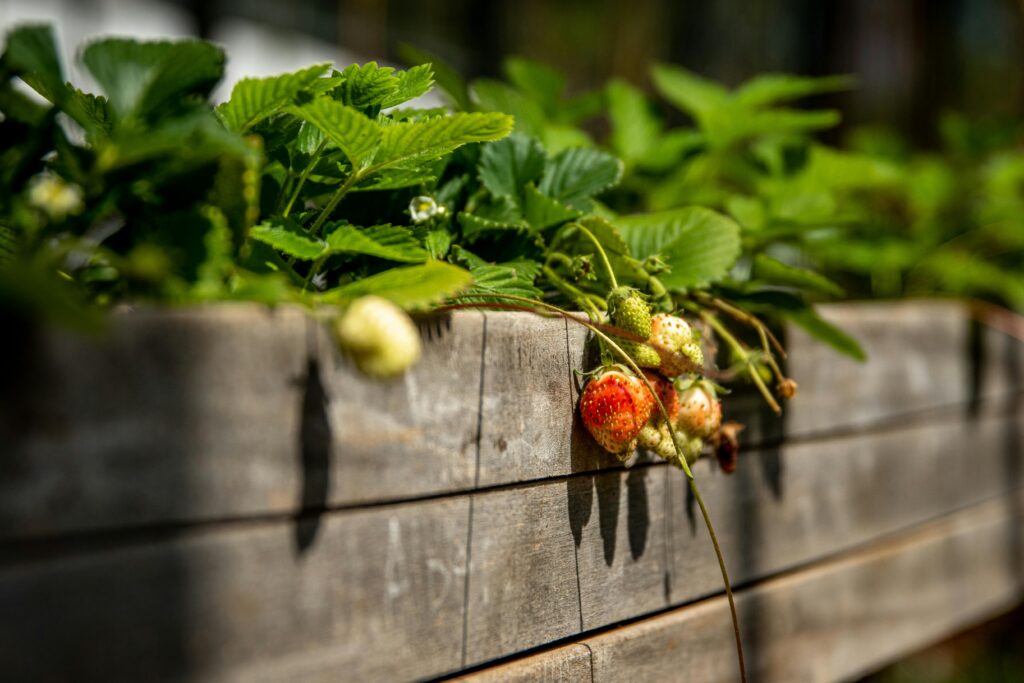
Welcome to the wonderful world of pear cultivation! If you’ve ever bitten into a perfectly ripe pear, you know there’s nothing quite like its juicy, sweet, and subtly floral taste that dances on the palate. Growing pears naturally can be an incredibly rewarding endeavor, offering an abundant harvest that can enhance your meals, preserve well for the winter, and perhaps even share with neighbors. Whether you’re a budding gardener or a seasoned homesteader, cultivating pears can fit seamlessly into your efforts towards sustainable living and nourishing yourself and your family from your garden.
Starting your journey with pears is like stepping into a story that’s been written for centuries, with orchards growing this delicious fruit in diverse climates. This guide will walk you through everything you need to know about growing pears naturally—from selecting the right variety for your region to harvesting the fruits of your labor with joy. Sit back, and let’s dive into the world of pears and discover how you can successfully grow this fruit with natural methods in your own garden!
Selecting the Right Pear Variety
Choosing the right pear variety is a crucial first step. Pears come in many shapes, sizes, and flavors, and your choice should hinge on your climate, soil type, and personal preference.
European vs. Asian Pears
European Pears (Pyrus communis) are what most people visualize when they think of the classic pear shape. They thrive in USDA zones 5 to 8 and are best known for their buttery texture and rich flavor.
Asian Pears (Pyrus pyrifolia) resemble apples in shape and have a crisp texture. They’re well-suited for USDA zones 5 to 9, thriving particularly in warmer conditions.
Pollination Considerations
Pears generally require cross-pollination between two different varieties to produce fruit. When planning your planting, consider:
- Planting at least two compatible varieties that flower at the same time.
- Ensuring they’re within proximity for bees to transfer pollen effectively.
Preparing Your Planting Site
Selecting the right location for your pear trees is key to fostering a natural, healthy growth environment. Pears need certain conditions to thrive.
Sunlight and Soil
- Sunlight: Choose a site with full sun exposure to encourage vigorous growth and fruit ripening.
- Soil Type: Pears prefer well-drained loamy soil, but they are quite adaptable. Ensure decent drainage to prevent root rot.
- Soil pH: Ideal soil pH ranges from 6.0 to 7.5. Conduct a soil test and amend the soil with lime or sulfur as necessary to adjust the pH naturally.
Planting Your Pear Trees Naturally
Planting pears involves more than just digging a hole and dropping in a tree. Here’s how to create the ideal conditions:
Planting Season
Plant bare-root pear trees in early spring while they’re still dormant, but only when your soil is workable. Container-grown trees can be planted spring through fall if well-watered.
Planting Techniques
- Dig a hole twice the width of the root ball and as deep as the soil line mark on the main stem.
- Position the tree so the graft union remains several inches above the soil line to prevent rot.
- Backfill with native soil mixed with organic compost to naturally enhance nutrient content.
- Water deeply immediately after planting to eliminate air pockets and ensure good root-soil contact.
Tending to Your Pear Trees
Growing pears naturally means focusing on sustainable, minimal-input methods to maintain health and productivity.
Watering
Water young trees regularly, especially in the first growing season while they establish. Mature trees develop some drought tolerance but give them a deep weekly soak during dry spells.
Feeding and Mulching
- Apply a balanced organic fertilizer in early spring, just as new growth appears, to encourage robustness naturally.
- Mulch with a thick layer of organic matter like bark or straw, maintaining a mulch-free zone around the trunk to avoid rot.
Pruning and Thinning
Prune annually in late winter to remove dead wood, encourage air circulation, and increase sunlight penetration through the canopy.
Thin fruit clusters naturally in early summer to prevent overbearing, which can break branches and impair next year’s crop development, allowing larger and healthier fruit to mature.
Harvesting Your Pears
Knowing when to harvest pears can be slightly tricky, as they naturally ripen off the tree. Here’s how to recognize the perfect time:
Ripening Signs
- Look for fruit that separates easily at the stem with a gentle twist.
- The skin may change color or lose a waxy sheen, depending on the variety.
Bring your harvested pears indoors to ripen at room temperature. Test for ripeness by checking the neck, which should yield slightly under gentle pressure.
Conclusion: Embrace the Journey of Growing Pears Naturally
Growing pears naturally rewards you with delicious fruit and contributes positively to sustainable living practices. Each step you take, from selecting compatible varieties to nurturing your trees with organic methods, connects you to the food you eat and the environment you cherish. Whether you’re gazing upon a blossoming pear tree in spring or enjoying a ripe pear as summer fades into fall, relish in the knowledge that you cultivated this richness with your own hands.
Now’s the time to start planning your pear orchard. Explore different varieties, prepare your planting site, and set up a routine that aligns with nature’s rhythms. As you grow, remember—you’re not just planting a tree; you’re laying down roots for the future, naturally. Happy pear gardening!