
Growing a thriving vegetable garden is a source of great pride and joy for any gardener. However, it often comes with its fair share of challenges—like the dreaded cabbage looper. These pesky caterpillars can quickly decimate your cherished cabbages, cauliflower, kale, and broccoli patches. Fear not! Managing cabbage loopers naturally is possible and highly effective. In this guide, we’ll explore how you can handle these garden invaders using prevention tactics, understanding their life cycle, and implementing natural treatment options.
Understanding the Cabbage Looper’s Life Cycle
Before you can manage cabbage loopers effectively, it’s crucial to understand their life cycle. This knowledge empowers you to intervene at the most opportune moments with natural methods.
Egg Stage
The cabbage looper begins life as a small, round egg. Female moths lay these singly, usually on the undersides of leaves. Eggs hatch within 3-10 days, depending on temperatures. Spotting and removing these eggs early helps reduce caterpillar populations naturally.
Larva Stage
This is the looper stage that most gardeners dread. The caterpillars are light green with a characteristic looping movement, growing over 2-4 weeks before entering the pupal stage. This is when they do the most damage to your plants.
Pupal Stage
After their voracious feeding period, cabbage loopers form a cocoon in a hidden leaf spot. They settle here for 1-2 weeks. Recognizing and removing cocoons from your garden can prevent the cycle from continuing naturally.
Adult Moth Stage
The final stage sees the emergence of a brownish moth, which can fly several miles to lay the next generation of eggs. Understanding this cycle helps time your natural interventions effectively.
Natural Prevention Strategies
Prevention is always better than cure, and several natural strategies can minimize or prevent cabbage looper outbreaks in your garden.
Companion Planting
Certain plants help deter cabbage loopers naturally. Consider the following companions:
- Dill and Fennel: Attract parasitic wasps that prey on cabbage looper larvae.
- Marigolds: Their strong scent repels many types of garden pests.
- Nasturtiums: Act as a trap crop, luring loopers away from your prized veggies.
Row Covers
Lightweight row covers act as physical barriers to keep adult moths from depositing eggs on your plants. Make sure they are secured to the ground to prevent moth entry.
Maintaining Plant Health
Strong, healthy plants can withstand more pest pressure than weaker ones. Ensure your plants are well-watered, adequately spaced, and receive the proper nutrients, naturally enhancing their resilience.
Natural Treatment Options for Cabbage Loopers
Even with prevention efforts, sometimes cabbage loopers sneak through. Thankfully, many treatments tackle them naturally without resorting to harsh chemicals.
Handpicking
The most direct method involves simply removing caterpillars by hand. Inspect the undersides of leaves for eggs and larvae. This method is highly effective for small infestations and large plants.
Bacillus Thuringiensis (Bt)
Bacillus thuringiensis is a naturally occurring bacterium that is fatal to caterpillars when ingested but harmless to humans, pets, and beneficial insects. Apply it time and again as new loopers appear.
Neem Oil
Neem oil works by disrupting the hormonal balance of insects, preventing them from feeding and reproducing. It’s a natural treatment that, when used regularly, can keep cabbage looper populations under control.
Beneficial Insects
Encourage the presence of natural predators like:
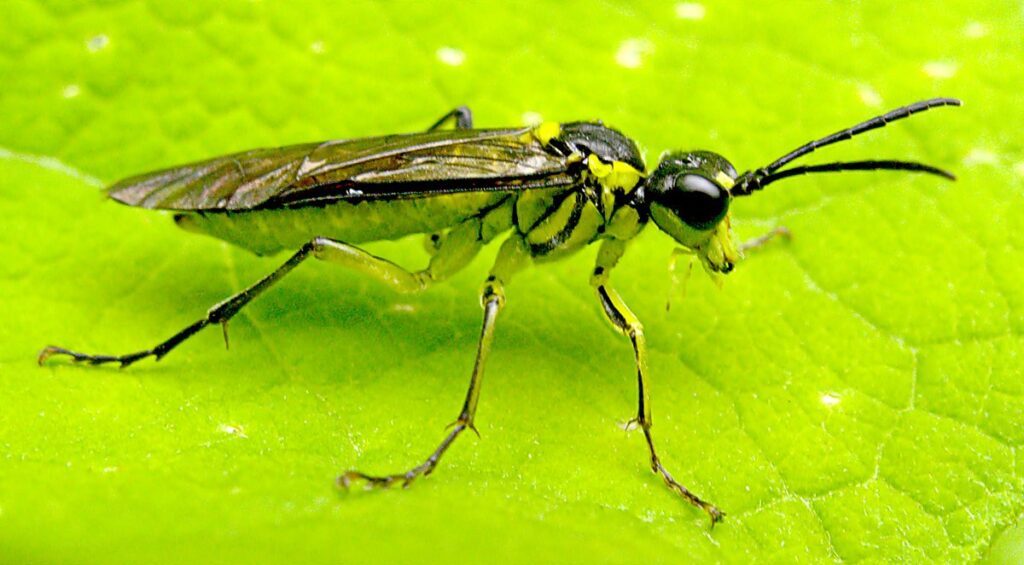
- Parasitic Wasps: Help by laying eggs inside the caterpillars.
- Ground Beetles: Feed on cabbage loopers among other pests.
Conclusion: Empowering You to Garden Naturally
Managing cabbage loopers in your garden naturally can seem daunting, but it’s entirely feasible with the right knowledge and tools. Understanding their life cycle allows timely interventions, while prevention and natural treatments protect your plants from harm. Empower yourself with these strategies to maintain a lush, bountiful garden free of synthetic chemicals.
As a committed gardener embracing sustainable practices, share your experiences and successes with fellow gardening enthusiasts. Together, let’s continue sowing the seeds of natural, organic gardening!