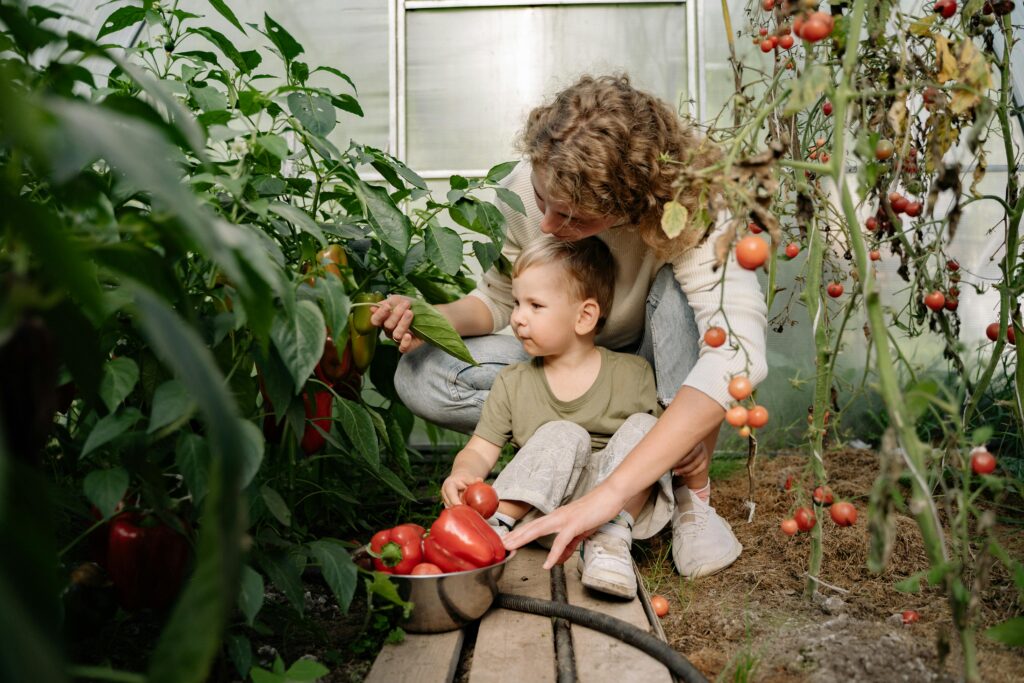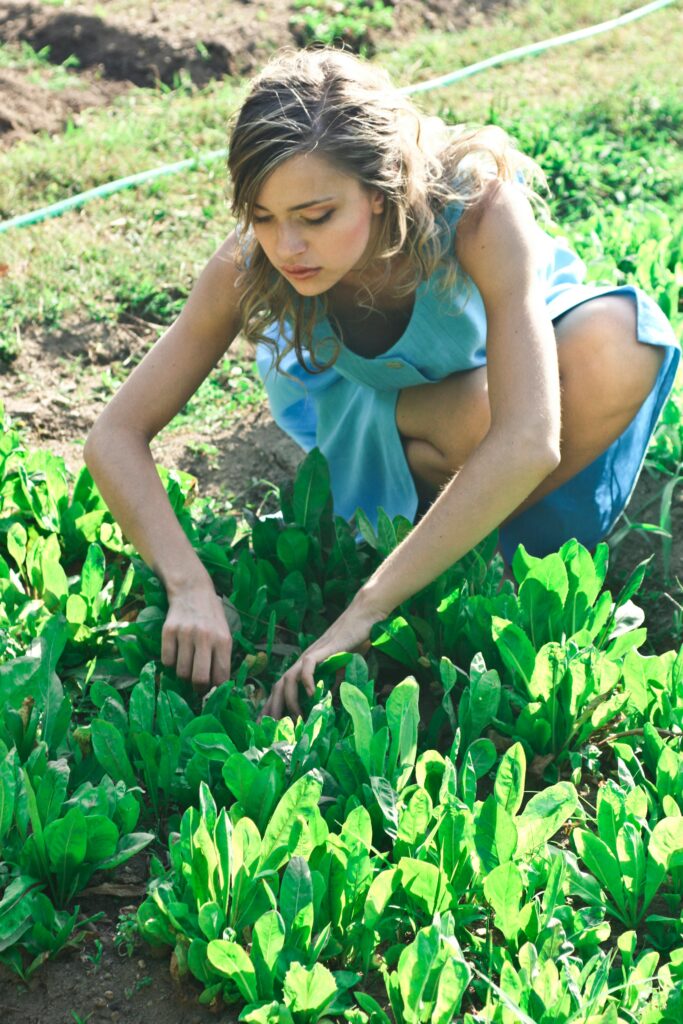
In today’s world, where sustainability is becoming more pressing for both our planet and our wallets, the kitchen is an ideal place to start making some impactful changes. By naturally incorporating eco-friendly practices like reducing waste, cooking with seasonal produce, embracing composting, and choosing sustainable kitchen tools, you can simultaneously support your health and the environment. This guide aims to walk you through the essential steps for greening your culinary space.
Redefining Waste: Embrace the Art of Reduction
The most effective way to reduce kitchen waste naturally is to prevent it from occurring in the first place. This might sound like a daunting task, but with some careful planning and smart choices, it can quickly become second nature.
Plan with Precision
A well-planned shopping list is your first defense against food waste. Before heading to the store, evaluate your pantry and fridge. What do you already have? What needs to be used soon?
- Plan meals around what’s already in your kitchen.
- Avoid impulse buys by sticking to your list.
- Opt for bulk purchases of staples to minimize packaging waste.
Store Food Smartly
Proper storage can extend the lifespan of your groceries significantly. Consider adopting these practices naturally:
- Use airtight containers to keep food fresh longer.
- Learn the ideal storage conditions for each type of produce.
- Freeze surplus fresh ingredients for later use.
Eating With the Seasons: A Natural Choice
Cooking seasonally not only supports local agriculture but also ensures you’re eating the freshest produce available, maximizing flavor and nutrition.
Know What’s In Season
Understanding what produce is abundant during each season helps you make better choices. Sign up for a Community Supported Agriculture (CSA) program to get local, seasonal produce directly from farmers.
Experiment with Seasonal Recipes
Challenge yourself to try new recipes that highlight seasonal ingredients. Doing so can spark creativity and passion for cooking, naturally enriching your culinary skills.
- In spring, try dishes with asparagus, peas, and strawberries.
- Summer is perfect for tomatoes, zucchini, and berries.
- Come fall, explore with pumpkins, apples, and root vegetables.
- Winter calls for hearty meals with squash, kale, and citrus fruits.
Compost: Turn Scraps Into Gold
Composting is a powerful tool for reducing waste and creating nutrient-rich soil, closing the loop in a natural and sustainable way.
Start Composting at Home
Setting up a composting system can be simple, whether you have a backyard or live in an apartment:
- Select a composting method: outdoor bin, vermicomposting, or indoor composting units.
- Collect organic waste such as fruit peels, coffee grounds, and vegetable scraps.
- Balance ‘greens’ (nitrogen-rich materials) with ‘browns’ (carbon-rich materials).
- Maintain your compost by turning it regularly and monitoring moisture levels.
Utilize Finished Compost
When your compost is ready, use it to naturally enrich garden soil, whether in a small planter or a full-scale backyard garden.
Choose Sustainable Kitchen Tools
The longevity and sustainability of kitchen tools play a significant role in minimizing your environmental footprint. Opting for items that are durable, renewable, and responsibly sourced can make a significant impact.
Invest in Quality Tools
Rather than opting for cheap, disposable utensils, choose tools that will last:
- Look for high-quality, ethically made products that are built to last.
- Consider materials like stainless steel, bamboo, or responsibly sourced wood.
- Avoid plastic whenever possible, especially single-use items.
Maintain Your Tools
Extending the life of your tools is another effective way to naturally reduce kitchen waste:
- Sharpen knives regularly and care for cutting boards with food-grade oils.
- Repair rather than replace worn-out items when possible.
- Donate or recycle tools you no longer need.
Conclusion: Your Partner in Sustainable Living
By naturally incorporating these changes into your kitchen routine, you’re reducing waste, enjoying nutritious seasonal produce, turning trash into treasure with composting, and making wise choices with sustainable tools. Every step counts toward a healthier home and planet. Remember that the journey to sustainability is ongoing and personal. What small change can you make today to start living more sustainably?
Your challenge: Choose one of the practices outlined above and commit to implementing it over the next month. Track your progress and see how you can integrate more sustainable habits into your daily life. After all, the path to a greener lifestyle starts right in your kitchen. Let’s embrace these changes naturally, together!