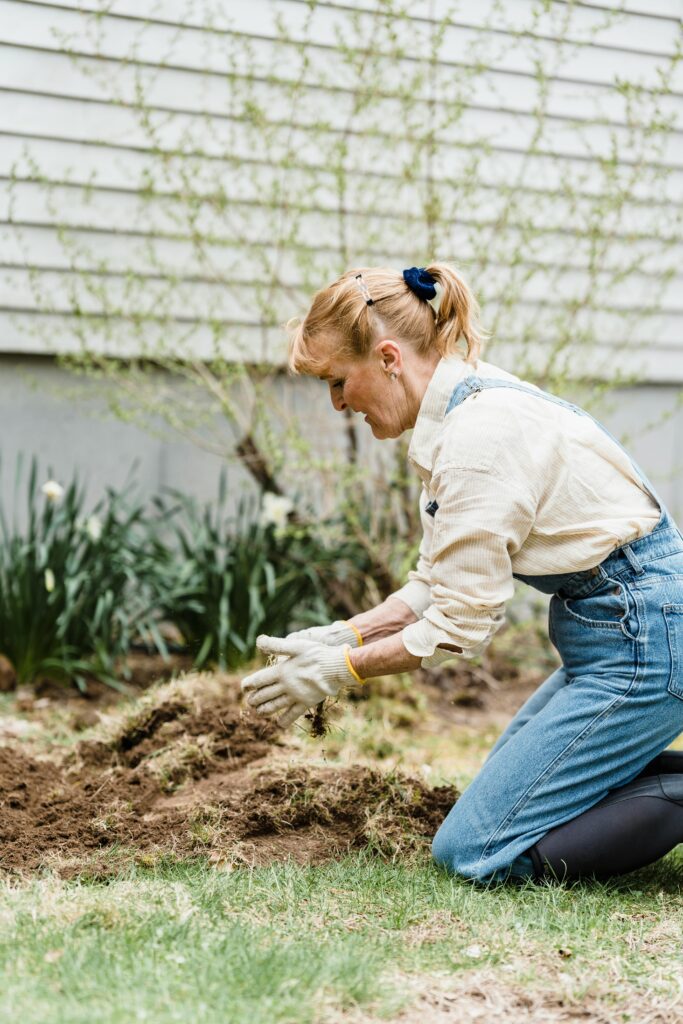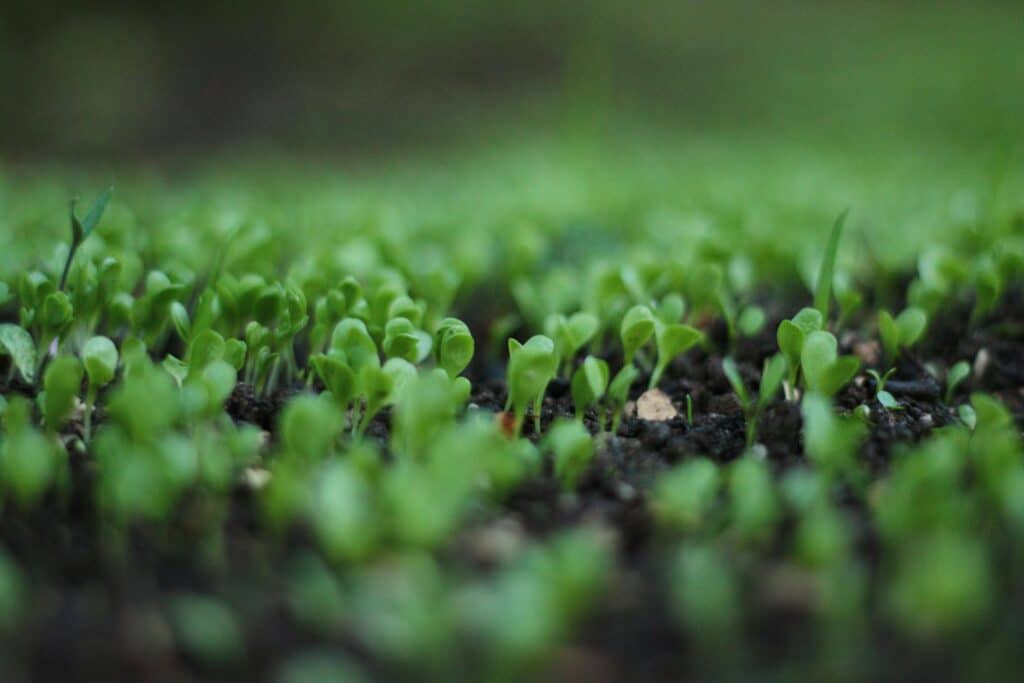
Gardening is a journey, an ever-evolving dance between you and nature. It begins with just a dream of green abundance and can, at times, land you in front of one of the most formidable adversaries: poor or compacted soil. For those eager to turn a neglected plot of earth into a flourishing garden, fear not. With perseverance and the right approach, even the most unyielding of soils can be transformed naturally into fertile grounds teeming with life.
This guide will walk you through the foundational practices of building soil health using compost, vermiculture, and balanced nutrient inputs. Whether you’re planning a vegetable patch or a perennial paradise, the principles are the same. Let’s dig in!
The Challenges of Poor and Compacted Soil
Poor soil can arise from various conditions, including erosion, lack of organic matter, or nutrient imbalances. Compacted soil, on the other hand, feels like a dense, unyielding mass. Both present significant obstacles to plant growth.
Why It Matters
Healthy soils facilitate root development, water retention, and air penetration – all critical for robust plant growth. Without these vital characteristics, your green dreams may remain just that. Luckily, with a commitment to repair and enrich your soil naturally, your garden can thrive.
Using Compost to Enrich the Soil
Compost is organic matter that has decomposed into a rich, dark soil conditioner. It’s a gardener’s black gold and a natural way to enhance soil fertility and structure. By adding compost, you increase soil porosity, aeration, drainage, and nutrient content.
Creating Your Compost
- Choose a Space: Start a compost pile almost anywhere—backyard, corner, or urban setting.
- Layer Your Materials: Alternate layers of “brown” materials (like dried leaves) with “green” materials (like kitchen scraps).
- Maintain Moisture: A well-balanced compost pile should feel like a damp sponge, requiring periodic watering in dry weather.
- Turn the Pile: Regularly turning your compost pile with a pitchfork facilitates aeration, speeding up decomposition.
Apply a 2-3 inch layer of finished compost to your garden bed each year. The diverse range of organisms within finished compost will naturally continue to break down materials into valuable plant nutrients and improve soil structure.
Vermiculture: The Power of Worms
Vermicomposting, or using worms to compost organic waste, can be particularly beneficial for gardeners dealing with poor soil. Worms consume organic material and produce castings, rich in nutrients and beneficial microbes.
Setting Up a Worm Bin
- Select a Container: Any shallow bin will do, provided there are drainage holes at the bottom.
- Add Bedding: Materials like shredded paper, cardboard, and dried leaves create a cozy home for your worms.
- Introduce the Worms: Red wigglers or European nightcrawlers are ideal for composting.
- Feed Them Kitchen Scraps: Avoid meat, dairy, and oily foods, focusing instead on fruits, vegetables, and grains.
The presence of worms will help aerate your soil naturally. Over time, their burrowing activity will break down compacted layers, turning the earth into a more hospitable place for plant roots.
Balanced Nutrient Inputs
A truly healthy garden depends on a balance of macronutrients (nitrogen, phosphorus, potassium) and micronutrients (iron, zinc, copper). While compost and worm castings add nutrients naturally, occasionally your soil may need targeted amendments.
Naturally Boosting Soil Nutrition
- Green Manures: Plant cover crops like clover or vetch that, once tilled back into the soil, release nitrogen and other nutrients.
- Biochar: This charcoal-like substance enhances soil structure and nutrient availability.
- Rock Dust and Minerals: Add a mix of trace minerals and natural rock dust to replenish and balance micronutrients.
Always start with a soil test to identify deficiencies. With the right natural inputs, poor soil can be gradually transformed into fertile land ready to support your gardening dreams.
Conclusion: Your Journey to Healthy Soil Begins Today
Unyielding soil may feel daunting, but with determination and a commitment to natural, sustainable practices, you can revitalize your plot into a lush garden paradise. Remember, the key components to naturally repairing poor and compacted soils are enhancing them with compost, employing the magic of vermiculture, and providing balanced nutrient inputs.
Now, it’s time to roll up your sleeves and get started. Your soil is waiting for its transformation, and soon, your garden will thank you with bounteous blooms and harvests. Begin your quest with these natural steps, and watch as your garden grows like never before!
Need more inspiration or tips? Subscribe to our newsletter for a constant flow of DIY homesteading wisdom delivered right to your inbox!