
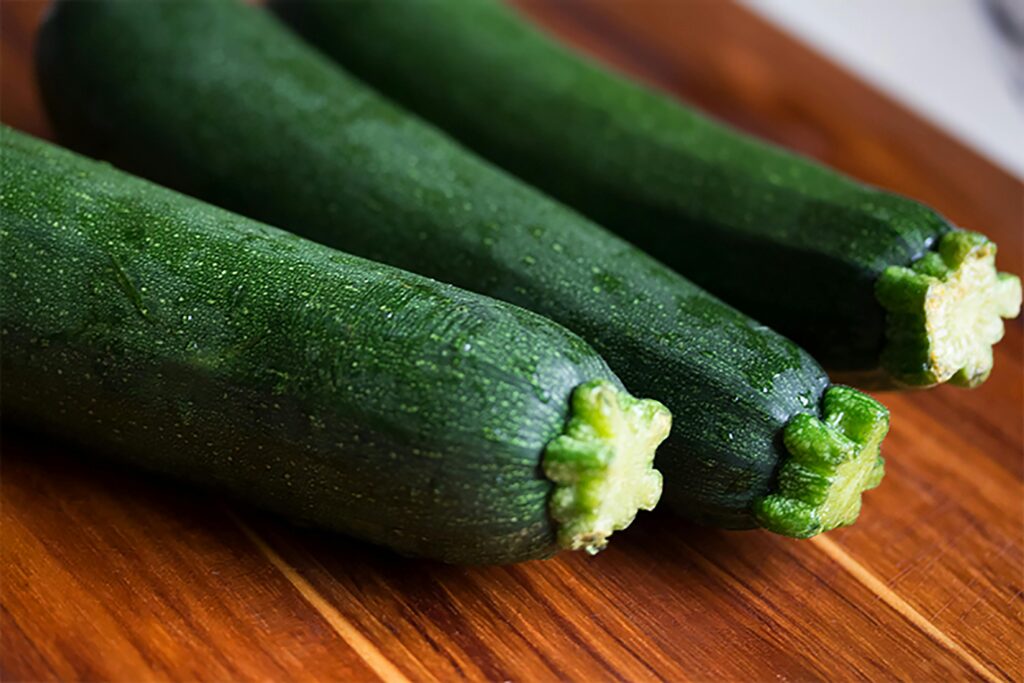
Squash is one of the most rewarding crops you can grow in your garden. From tender zucchini harvested at their peak to hearty winter squash that can feed you through the cold months, squash comes in all shapes, sizes, and flavors. Whether you’re a first-time gardener or a seasoned grower, this guide will walk you through everything you need to know to cultivate healthy, high-yielding squash plants.
Types of Squash: Know Your Varieties
There are two main categories of squash: summer squash and winter squash. The distinction refers to when and how they’re harvested—not the season they grow in.
Summer Squash
- Harvested when immature with thin, edible skin.
- Grows fast and yields abundantly throughout the season.
- Includes varieties like:
- Zucchini (green or yellow)
- Crookneck
- Straightneck
- Patty Pan (Scallop squash)
- Cousa (Middle Eastern variety)
Winter Squash
- Harvested at full maturity with hard, thick skins.
- Long shelf life, often storing for months.
- Includes:
- Butternut
- Acorn
- Spaghetti squash
- Delicata
- Hubbard
- Kabocha
- Pumpkins (technically a squash!)
When and Where to Grow Squash
Squash plants love warmth and sunlight. They grow best in well-drained soil and full sun (at least 6–8 hours per day).
- Planting Season: After all danger of frost has passed and soil temps reach at least 60°F (70°F preferred).
- Soil Needs: Rich, loamy, well-drained soil with compost or aged manure.
- Ideal pH: Between 6.0 and 6.8.
- Spacing:
- Bush varieties (zucchini, acorn): 2–3 feet apart.
- Vining varieties (spaghetti, pumpkins): 4–6 feet apart or grown vertically on sturdy trellises.
💡 Use raised beds or mounded rows to improve drainage and keep roots warm.
Starting Squash from Seed or Transplant
Direct Seeding
Most gardeners sow squash seeds directly into the garden because they germinate quickly and don’t transplant well.
- When: 1–2 weeks after last frost.
- Depth: 1 inch deep.
- Spacing: Plant 2–3 seeds per hill, thinning to the strongest plant.
Transplanting
If starting indoors:
- Sow 3–4 weeks before last frost.
- Use biodegradable pots to avoid disturbing roots.
- Harden off seedlings before transplanting.
Growing Squash in Small Spaces
Don’t have a huge garden? No problem.
- Bush varieties are compact and ideal for containers.
- Trellised vining squash saves ground space. Use strong vertical supports for varieties like butternut or delicata.
- Choose compact hybrids bred for container or patio growing.
Watering and Feeding
- Water deeply once or twice per week—more during dry spells.
- Avoid overhead watering to prevent powdery mildew.
- Mulch around the base to retain moisture and suppress weeds.
- Side-dress with compost or apply balanced organic fertilizer monthly.
- Squash are heavy feeders, especially winter varieties.
Pollination & Flowers
Squash plants produce separate male and female flowers. Bees and pollinators are essential for fruit development.
- Male flowers appear first and don’t develop fruit.
- Female flowers have a small fruit behind the bloom.
- If bees are scarce, hand-pollinate using a small brush or by transferring pollen directly.
Trellising & Support
- Summer squash typically have a bush habit and don’t need trellising.
- Vining winter squash can benefit from vertical support to prevent rot and save space.
- Use hammocks or slings for heavier fruits like pumpkins or butternuts.
Companion Planting & Rotation
Good companions:
- Corn (provides shade)
- Beans (adds nitrogen)
- Nasturtium (repels pests)
- Marigolds (deterrent to nematodes)
Bad companions:
- Potatoes (competes for space and nutrients)
- Brassicas (attract similar pests)
Crop rotation: Don’t plant squash (a cucurbit) in the same place more than once every 3–4 years to avoid disease buildup.
Common Pests & Diseases
Squash can be vulnerable to several garden challenges. Stay proactive!
Pests
- Squash Vine Borer: Larvae bore into stems. Use row covers early and cut infested stems open to remove.
- Squash Bugs: Sap-sucking insects that can kill young plants. Handpick and destroy eggs.
- Cucumber Beetles: Spread bacterial wilt. Use yellow sticky traps and neem oil.
Diseases
- Powdery Mildew: White powder on leaves. Improve airflow and avoid overhead watering.
- Bacterial Wilt: Leaves wilt suddenly. Caused by cucumber beetles—prevent with pest control.
- Downy Mildew: Yellowing spots on leaves; thrives in humidity.
💡 Prevent disease by spacing plants properly, rotating crops, and keeping foliage dry.
Harvesting Squash
Summer Squash
- When to Harvest: 45–60 days after planting.
- Pick when small (6–8 inches for zucchini) for best flavor and texture.
- Harvest frequently to encourage more production.
- Use scissors or a knife—don’t yank!
Winter Squash
- When to Harvest: 80–120 days after planting, depending on variety.
- Wait until the rind is hard and deep in color.
- The skin should be tough enough that you can’t pierce it with your fingernail.
- Leave a few inches of stem attached for longer storage.
Curing and Storing Winter Squash
After harvest:
- Cure in a warm, dry spot (75–85°F) for 10–14 days.
- Store in a cool, dry place (50–60°F).
- Properly cured squash can last 3–6 months or more depending on the variety.
Saving Squash Seeds
If growing open-pollinated/heirloom squash:
- Allow fruit to fully mature on the plant.
- Scoop out seeds and rinse.
- Ferment seeds in water for 2–3 days to remove coating.
- Rinse again and dry thoroughly before storing.
Note: Cross-pollination between squash varieties is common—use isolation methods if you want pure seed.
Best Squash Varieties by Type
Summer Squash
- Black Beauty Zucchini – fast, classic
- Yellow Crookneck – sweet and tender
- Patty Pan (Sunburst) – cute and flavorful
Winter Squash
- Waltham Butternut – stores well, excellent flavor
- Delicata – thin skin, sweet, great for roasting
- Blue Hubbard – huge, nutty flavor, long storage
- Spaghetti Squash – low-carb pasta alternative
Pumpkins
- Sugar Pie – ideal for baking
- Jack Be Little – ornamental and edible
- Connecticut Field – traditional carving pumpkin
Additional Tips for Growing Healthy Squash
- Start early: Squash hates the cold. Don’t rush planting!
- Harvest regularly: Especially for summer types to keep production going.
- Keep an eye out: Early detection of pests like vine borers is crucial.
- Train vines: Use trellises or guide them away from other crops.
- Practice good hygiene: Clean up plant debris at the end of the season to reduce pest pressure next year.
Final Thoughts
Squash plants are productive, delicious, and fun to grow. Whether you want quick zucchini for stir-fries or a pantry full of winter squash for roasting, this family of vegetables has something to offer every gardener. Give them sun, good soil, room to spread, and a bit of love—and they’ll reward you all season long.