
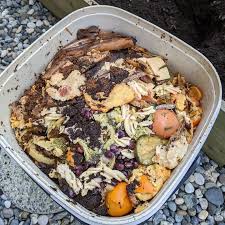
Making compost at home is one of the easiest and most impactful ways to reduce kitchen waste, enrich your soil, and keep landfills from filling up too quickly. But if you’ve tried traditional composting, you know how annoying it is to sort your food scraps—meat, dairy, and anything oily usually have to go in the trash. That’s where bokashi composting comes in.
With a bokashi bucket, you can ferment almost all your food scraps right at home—including meat and dairy—without the smells, pests, or long wait times of traditional compost. And once you try it, you’ll probably never go back.
What Is Bokashi Composting?
Bokashi (a Japanese word meaning “fermented organic matter”) is a method of fermenting food waste using beneficial microbes. Unlike traditional composting, which relies on aerobic bacteria and decomposition, bokashi is an anaerobic fermentation process—meaning it takes place without oxygen.
Using a special inoculant (usually bokashi bran made from wheat bran, rice hulls, or sawdust mixed with microbes), this system breaks down all kinds of kitchen waste—yes, even meat, dairy, and oily foods—safely and efficiently.
It’s Not Technically Composting
Even though it’s called “bokashi composting,” the process doesn’t actually result in compost—at least not immediately. What you’re left with is pre-compost, or fermented food waste that’s loaded with beneficial microbes like:
- Yeasts
- Lactic acid bacteria (like the kind found in yogurt)
- Phototrophic bacteria (which help clean up bad bacteria and odors)
This fermented material is then buried in soil, where it completes its transformation into rich, plant-friendly compost.
The History of Bokashi Composting
Bokashi-style composting has been practiced for centuries by farmers in Asia, who would bury their food scraps in soil to let microbes naturally ferment them. But the method became more standardized in the 1980s thanks to Japanese professor Teruo Higa, who developed a specific microbial mix called Effective Microorganisms (EM-1®) to speed up and optimize the process.
Today, bokashi buckets are available commercially, or you can easily make your own at home.
Why Bokashi Is a Game-Changer
Here’s why so many gardeners and eco-conscious homeowners are switching to bokashi:
- Compost more types of food (including meat, dairy, and leftovers)
- No bad smells—just a sour, yeasty scent (like pickles or sauerkraut)
- No fruit flies or pests
- Works indoors and year-round
- Takes weeks instead of months
- No greenhouse gas emissions (unlike traditional compost)
- Fermentation kills pathogens, making it safer for your garden
How to Start Bokashi Composting
What You Need:
- A bokashi bucket (store-bought or DIY)
- Bokashi bran or another inoculant
- Your kitchen scraps
Option 1: Buy a Bokashi Bucket
You can buy a ready-to-use bokashi system online for around $100. These often include:
- A tight-fitting lid to keep air out
- A false bottom to separate liquids (leachate)
- A spigot to drain the juice
Option 2: DIY Bokashi Bucket
You can make your own for about $20. You’ll need:
- A sturdy, airtight bucket with a lid
- A spigot installed near the bottom
- Optional: A second inner bucket with drainage holes
Need help? Here’s a DIY tutorial for making your own bokashi bucket.
What You Can and Can’t Compost with Bokashi
One of the biggest advantages of bokashi composting is how many types of food scraps it can handle.
You CAN compost:
- Fruit and vegetable scraps
- Meat and fish
- Dairy products
- Cooked food and leftovers
- Coffee grounds and tea bags
Avoid adding:
- Large bones
- Excess liquid
- Moldy or spoiled food (small amounts are okay, but avoid heavily rotted waste)
Unlike traditional composting, bokashi uses fermentation, allowing it to safely process foods that would normally attract pests or cause odors.
Step-by-Step: How to Use a Bokashi Bucket
- Add food scraps to your bucket.
- Sprinkle a handful of bokashi bran over the scraps.
- Repeat this process every time you add more scraps.
- Use a plate or potato masher to press scraps down and remove air pockets.
- Keep the lid tightly sealed at all times (except when adding scraps).
- Once full, let the bucket sit sealed for about 2 weeks to ferment.
- Then, bury the contents about 12 inches deep in the soil, away from plant roots. Let it decompose for another 2–4 weeks before planting or harvesting from that soil.
Quick Start: Bokashi in 5 Simple Steps
If you want a quick overview, here’s the simplified process:
- Add food scraps to your bokashi bucket
- Sprinkle bokashi bran over each layer
- Press down to remove air and seal tightly
- Let ferment for about 2 weeks (draining liquid regularly)
- Bury the material in soil to finish composting
This process works quickly because bokashi relies on fermentation rather than traditional decomposition.
Bokashi Leachate (Liquid Gold)
As your food scraps ferment, they release a liquid called leachate. This juice is packed with nutrients and beneficial microbes.
How to Use Bokashi Juice:
- As a fertilizer: Dilute 1 teaspoon of leachate in 2–3 liters of water and pour it into the soil (avoid leaves).
- As a drain cleaner: Pour it undiluted into your kitchen or bathroom drains to prevent buildup and eliminate odors.
How to Use Finished Bokashi in Your Garden
After fermentation, bokashi isn’t quite compost yet — it needs to finish breaking down in soil.
Here are the best ways to use it:
- Bury in garden beds: Dig a trench 8–12 inches deep and cover with soil
- Add to compost piles: Speeds up decomposition
- Soil building: Mix into soil and let it rest 2–4 weeks before planting
The fermented material is highly active and slightly acidic, so giving it time to break down prevents plant damage.
Common Questions and Troubleshooting
What Should It Smell Like?
A healthy bokashi bucket smells sour and yeasty—like vinegar or sauerkraut. If it smells rotten or putrid, something went wrong.
How to Fix a Stinky Bucket:
- Add more bokashi bran
- Remove any black or blue mold
- White mold is OK—it’s a sign of good bacteria
- If the smell doesn’t improve, start a new batch
Tips for Success:
- Chop up large scraps for faster fermentation
- Keep liquids out—don’t add water
- Don’t open the bucket often; minimize air exposure
- Clean your bucket thoroughly between batches
- Store it in a cool, dark place (not in direct sunlight)
- Use plenty of bokashi bran—you can’t overdo it!
Common Mistakes When Composting with Bokashi
Avoid these common mistakes to get the best results:
- Letting air into the bucket
Bokashi is an anaerobic process — too much oxygen can cause rot instead of fermentation. - Not draining the liquid regularly
Excess moisture can lead to bad smells and poor fermentation. - Not using enough bokashi bran
The microbes are what drive the process — don’t skimp here. - Opening the lid too often
This disrupts the fermentation environment. - Planting too soon after burying
Fresh bokashi is acidic and can burn roots — always wait a few weeks before planting.
Is Bokashi Better Than Traditional Composting?
Bokashi composting offers several unique advantages:
- Faster processing (weeks instead of months)
- Works indoors and year-round
- Handles a wider range of food waste
- Produces fewer odors and attracts fewer pests
However, it does require an extra step — burying or finishing the compost in soil before use.
For many gardeners, bokashi works best as a complement to traditional composting, not a replacement.
Is Bokashi Right for You?
If you:
- Want to compost indoors or year-round
- Want to include all types of kitchen scraps
- Want to avoid smells and pests
- Need faster composting results
- Care about reducing methane and greenhouse gases
…then bokashi composting might just be your new favorite thing.
With just a bucket, a little bran, and your everyday food scraps, you can turn kitchen waste into nutrient-rich garden gold—no sorting, no smell, no problem.
Ready to Try Bokashi?
You can buy a bokashi bucket here or learn how to DIY your own system. Don’t forget to stock up on bokashi bran to keep your microbes happy and your fermentation thriving!