
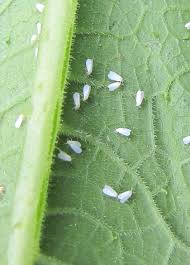
Whiteflies might be tiny, but their impact on your garden can be anything but. These soft-bodied pests cluster in large numbers and feed on plant sap, weakening plants, transmitting diseases, and leaving behind sticky residue that can lead to mold growth. If you’ve spotted small white insects fluttering up when you disturb your plants, it’s time to take action.
This guide will help you identify, manage, and prevent whiteflies—organically and effectively.
What Are Whiteflies?
Whiteflies are not actually flies. They’re closely related to aphids and mealybugs and are commonly found on the undersides of leaves in warm-weather gardens or greenhouses. Despite their name and tiny moth-like appearance, they cause big problems by feeding on plant juices and spreading plant viruses.
These pests are most active in warm, humid conditions and reproduce rapidly. A single female can lay hundreds of eggs during her short lifespan.
Signs of a Whitefly Infestation
You may have whiteflies if you notice:
- Clouds of tiny white insects rising from plants when touched
- Yellowing, curling, or drooping leaves
- Sticky honeydew residue on leaves and nearby surfaces
- Black sooty mold growing on the honeydew
- Stunted growth or reduced fruit/flower production
- Silvery sheen or tiny pale spots on the leaves from sap loss
Whiteflies tend to congregate on the undersides of leaves, where they feed and lay eggs in clusters.
Common Types of Whiteflies
While there are hundreds of whitefly species, these are the ones most commonly found in gardens:
🟠 Greenhouse Whitefly (Trialeurodes vaporariorum)
- Most common in greenhouses or indoor plant setups
- Targets tomatoes, cucumbers, peppers, and herbs
- Leaves behind honeydew that attracts ants and encourages mold
🟡 Silverleaf Whitefly (Bemisia tabaci)
- Smaller and slightly more yellow than other types
- Infests squash, melons, broccoli, and ornamental plants
- Can transmit plant viruses like tomato yellow leaf curl virus
🟢 Bandedwinged Whitefly (Trialeurodes abutiloneus)
When and Where Whiteflies Are a Problem
Whiteflies are most active in late spring through early fall, especially in hot, humid conditions. They’re notorious for thriving in greenhouses, under row covers, or in protected spaces with little airflow.
They often target:
How to Get Rid of Whiteflies (Organically)
Organic whitefly control is all about consistency and early detection. Here are proven, natural ways to manage whiteflies in your garden:
🖐️ 1. Manual Removal
- Blast with Water: Use a strong spray from your garden hose to knock off adult whiteflies and eggs from the undersides of leaves.
- Vacuuming: Use a handheld vacuum in the early morning (when whiteflies are sluggish) to remove adults.
- Sticky Traps: Yellow sticky cards attract whiteflies. Place them around affected plants to reduce adult populations.
🌿 2. Neem Oil
Neem oil disrupts the whitefly life cycle by affecting reproduction and feeding. Mix 1–2 tablespoons of cold-pressed neem oil with a teaspoon of mild soap and a quart of water. Spray generously on the tops and undersides of leaves every 5–7 days until the infestation is under control.
🦠 3. Insecticidal Soap or Castile Soap Spray
Create a DIY whitefly spray by mixing:
- 1 tablespoon of Castile or insecticidal soap
- 1 quart of water
Spray directly onto infested areas. This works by smothering whiteflies, but you must make direct contact. Reapply every few days until numbers decline.
🐞 4. Introduce Natural Predators
Beneficial insects are your best long-term defense against whiteflies. Consider introducing:
- Ladybugs
- Green lacewings
- Encarsia formosa (a tiny parasitic wasp that targets whiteflies)
- Predatory mites
🌱 5. Companion Planting for Prevention
Strategic planting can help deter whiteflies:
- Nasturtiums and marigolds repel whiteflies and attract beneficial insects.
- Basil, onions, and garlic have strong aromas that discourage infestations.
- Trap crops like eggplant can lure whiteflies away from more sensitive plants—just be sure to monitor and manage these regularly.
🚫 6. Remove Infested Plants
If a plant is completely overrun and nothing seems to work, your best bet may be to remove and dispose of it. Do NOT compost heavily infested plants as it may spread eggs or larvae.
Preventing Future Infestations
Whiteflies are persistent, but a healthy, balanced garden ecosystem can keep them at bay. Here’s how to stop them before they start:
- Inspect new plants carefully before bringing them home.
- Keep weeds down—they can host whitefly populations.
- Boost airflow between plants to make conditions less favorable.
- Rotate crops and avoid planting whitefly-favored crops in the same spots each season.
- Cover young plants with floating row covers to keep whiteflies out.
Additional Tips for Organic Whitefly Control
- Spray neem or soap early in the morning or late in the day to avoid harming pollinators.
- Repeat treatments regularly—whiteflies reproduce fast!
- Use reflective mulch (like silver plastic) to confuse whiteflies and prevent landing.
- Keep an eye on houseplants and greenhouse crops—these are common whitefly hotspots.
Final Thoughts
Whiteflies are frustrating, but they can be managed without turning to harsh chemicals. A mix of monitoring, manual removal, beneficial insects, and natural sprays is your best path to a clean, healthy garden.
Keep watch for fluttering clouds when you brush your plants—early action is your best weapon.