The fastest organic ways to get rid of garden ants are disrupting their scent trails, using a borax-sugar bait to eliminate the colony, and removing the aphids or honeydew they’re farming — no synthetic pesticides required.
While ants play a role in natural ecosystems—helping with aeration and predation of certain pests—they can quickly become a problem in the garden. Some ants farm aphids and scale insects for their sugary honeydew, while others dig tunnels that disrupt roots, damage seedlings, and even protect pests from predators.
This guide will walk you through how to identify an ant infestation, why it matters, and what you can do to get rid of ants organically and prevent them from returning.
Why Ants Are a Problem in the Garden
Ants aren’t always the villain, but when populations explode or colonies set up shop around your beds, it’s time to intervene.
Problems Ants Can Cause:
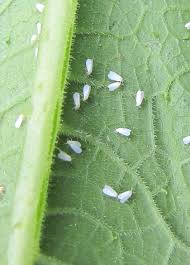
- Farm aphids & scale: Ants “protect” sap-sucking pests so they can harvest honeydew.
- Damage root systems: Tunneling can disrupt plant stability.
- Bite/sting: Fire ants and other species can harm gardeners or livestock.
- Invade homes: If you grow near the house, garden ants can migrate inside.
- Disturb seedbeds: Ants sometimes carry off seeds or unearth young plants.
Identifying an Ant Problem
| Sign | What It Means |
|---|---|
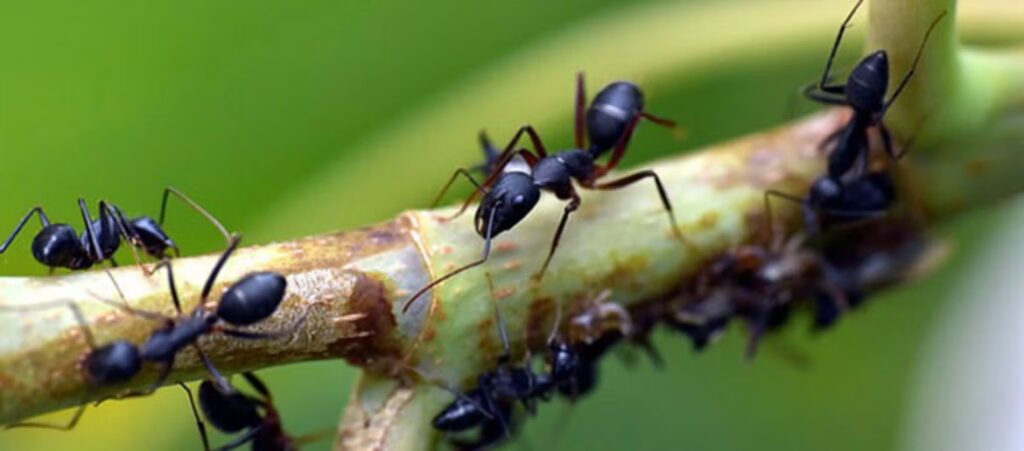
| Trails of ants across soil or plants | Active colony nearby |
| Small mounds or loose soil near plants | Nest entrances |
| Clusters of ants crawling on stems or leaves | Possible aphid or scale infestation |
| Presence of honeydew or sticky residue | Aphids likely, with ants nearby |
Common Species Found in Gardens:
- Argentine ants – Form massive colonies, farm aphids.
- Fire ants – Aggressive and painful stings.
- Carpenter ants – Tunnel in wood; more common near structures.
- Pavement ants – Nest in cracks or under stones; invade homes.
Why Are Ants in My Garden?
Ants are attracted by:
- Sweet substances like honeydew from aphids and scale insects.
- Moisture and rich organic matter.
- Areas with poor soil structure that allow easy tunneling.
- Unprotected seeds, fruit, and decaying matter.
Where aphids go, ants often follow. So if you’re battling ants, it’s wise to check your plants for other pests too.
Natural & DIY Ways to Get Rid of Ants
You don’t need toxic ant killers to take back your garden. These DIY and organic methods will help you eliminate ants without damaging soil health or hurting beneficial insects.
1. Disrupt the Ant Trails
Ants navigate using pheromone trails. Wipe down surfaces or spray trails with:
- White vinegar + water (1:1)
- Lemon juice
- Peppermint or citrus essential oils
Spray entry points, garden edges, and any visible trails regularly to break their communication lines.
2. Boiling Water Drench
Locate the nest and pour boiling water directly into the opening. It may take a few applications, but this can kill the queen and collapse the colony.
Use with caution around delicate roots or near edible plants—boiling water can scald your crops too.
3. DIY Ant Bait
Homemade baits lure ants to bring poison back to the colony.
Sugar + Borax Bait
- Mix 1 tbsp borax with 2 tbsp sugar and enough water to make a syrup.
- Place on a cotton ball in a shallow lid or jar near trails.
- Replace daily until the trail disappears.
Use caution with pets and children—borax can be toxic if ingested in large quantities.
4. Diatomaceous Earth (DE)
Sprinkle food-grade DE around the base of plants, nest entrances, or ant trails. The powder is harmless to humans and pets but deadly to insects—it dehydrates them by piercing their exoskeletons.
Reapply after watering or rain.
5. Essential Oil Spray
Create an all-natural ant spray using:
- 10 drops peppermint oil
- 10 drops tea tree or citrus oil
- 1 tbsp castile soap
- 2 cups water
Spray directly on ants, trails, and around plant bases. Avoid heavy spraying on leaves during peak sun hours.
6. Plant Ant-Repellent Herbs
Strategically plant these herbs around garden beds to naturally deter ants:
Be mindful—mint and pennyroyal are invasive. Consider planting in pots.
7. Stop Farming Behavior
If ants are herding aphids, scale, or mealybugs on your plants:
- Spray aphids off with water or neem oil.
- Introduce ladybugs or lacewings to control pests naturally.
- Use horticultural oils to smother sap-sucking insects and break the cycle.
Long-Term Prevention Tips
| ✅ Do This | ❌ Avoid This |
|---|---|
| Keep beds tidy and weeded | Letting aphids multiply |
| Control moisture levels | Overwatering containers |
| Remove fallen fruit, sticky sap | Leaving sweet substances exposed |
| Check pots and trays for nests | Leaving ant trails unaddressed |
Also, avoid using excessive mulch right up against plants where ants may build nests under the cover.
FAQs
Q: Are ants killing my plants?
A: Not directly—most ant species don’t eat plants. But their protection of aphids, tunneling habits, and nest building can seriously harm roots and reduce yields.
Q: Will vinegar kill ants?
A: Vinegar won’t kill colonies but disrupts their scent trails, helping you redirect them.
Q: Are there any ants that are beneficial?
A: Some ants eat pest larvae and aerate soil. But when they protect pests or cause damage, they outweigh their benefits.
Q: What if ants are in my compost pile?
A: Mix the compost more often, reduce moisture, and sprinkle cinnamon or coffee grounds to deter them.
Summary: How to Manage Ants in the Garden
| Method | Best Use |
|---|---|
| Vinegar or lemon spray | Disrupt scent trails |
| Boiling water | Kill nests directly |
| Sugar + borax bait | Wipe out colonies |
| Diatomaceous earth | Dry out and kill trails |
| Essential oils | Natural repellent |
| Manage aphids | Stop farming behavior |
🌿 Final Thoughts
Ants might be a common part of the garden, but that doesn’t mean they get to rule it. By using a mix of natural deterrents, safe baits, and consistent prevention, you can manage ants without reaching for toxic chemicals.
Keep an eye on companion pests like aphids and scale, focus on soil health, and maintain a tidy garden to keep ant populations in check.