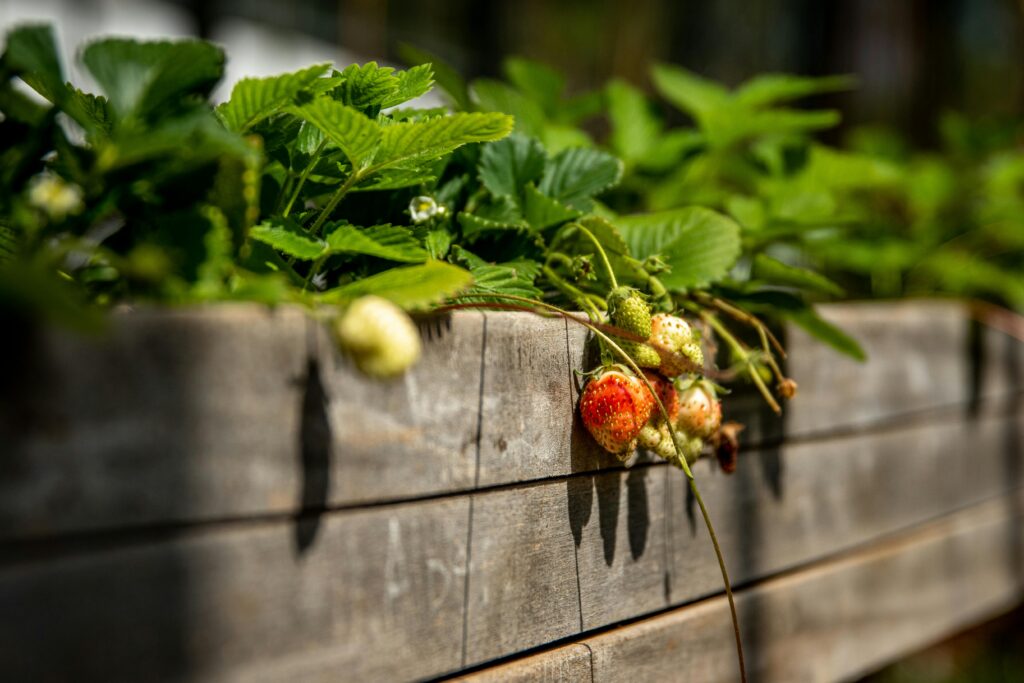
As gardeners, one of the most satisfying experiences is savoring homegrown greens and herbs, even when the chilly months creep in. The prospect of continuing to cultivate these delights naturally, despite the cold, can seem a daunting task. But fear not! Building a simple cold frame is a game-changer, transforming your garden into a year-round provider. Whether you’re an old hand at gardening or a beginner, this guide will walk you through creating a cold frame to keep your green thumb thriving all winter long.
Understanding the Cold Frame
A cold frame is essentially a mini greenhouse, designed to naturally harness the solar energy that extends your growing season. By protecting your plants from harsh temperatures and wind, it provides a micro-climate for greens to flourish. Constructed with a transparent lid, typically positioned on a slant, it captures sunlight and warmth, naturally encouraging the growth of greens and herbs.
Why Use a Cold Frame?
Using a cold frame offers numerous benefits:
- Extended Growing Season: Naturally allows plants to grow beyond their traditional season.
- Cost-Effective: Building a cold frame is a budget-friendly alternative to a greenhouse.
- Simplicity: Creating and maintaining a cold frame is straightforward, even for beginners.
- Space-Saving: Ideal for small gardens or tight outdoor spaces.
- Protection from Frost: Shields sensitive plants from frost damage.
Materials Needed for Building a Cold Frame
Gathering your materials is the first step to naturally set you on the path of building your cold frame. Here’s what you’ll need:
- Wooden boards for the frame—recycled wood is a sustainable choice.
- A transparent cover, such as an old window or a sheet of clear plastic.
- Hinges to attach the lid to the frame and allow for ventilation adjustments.
- Wood screws and a screwdriver for assembly.
- A saw for cutting your wood to size.
- Weatherproofing materials, like silicone sealer, to keep moisture out.
Step-by-Step Guide to Building Your Cold Frame
Step 1: Choose Your Location
Select a spot that naturally receives ample sunlight, especially during the colder months. Facing your cold frame south maximizes sun exposure. Ensure the spot is level to support the structure effectively.
Step 2: Assemble the Base
Begin by using the wooden boards to construct a rectangular or square base. The dimensions depend on your space and materials, but around 3 feet by 6 feet is a common size. Using your saw, cut the boards to your desired size and screw them together to form a sturdy frame.
Step 3: Attach the Lid
The lid should slant slightly to prevent water accumulation. Affix the transparent material to the top edge of your frame using hinges, ensuring it opens easily for ventilation. The slant can be achieved by using taller boards on one side of the frame.
Step 4: Seal the Structure
Weathertight your cold frame by running a bead of silicone sealer along the edges where wood joins the lid. This will help keep the interior dry and naturally warm, protecting your plants from cold, rainy weather.
Planting and Maintaining Your Cold Frame
Once your cold frame is set up, it’s time to naturally populate it with greens and herbs. Spinach, kale, lettuce, and cilantro are excellent cold-hardy choices.
- Planting: Sow seeds or transplant seedlings into the cold frame. Maintain a consistent soil moisture level, but avoid waterlogging.
- Ventilation: During milder days, open the lid slightly to prevent overheating and allow airflow.
- Monitoring: Keep an eye on temperature fluctuations. A simple garden thermometer can provide valuable insights, helping you adjust the lid as needed.
Tips for Success
To naturally ensure success with your cold frame, consider these additional tips:
- Insulation: For extra warmth, line the interior with straw or leaves during particularly cold spells.
- Thermal Mass: Place bricks or large stones inside to absorb heat during the day and release it at night.
- Temporary Covering: During extremely cold nights, drape a cloth over the frame for added protection.
Conclusion: Embrace Year-Round Gardening
Building a cold frame allows you to embrace the joy of year-round gardening naturally. With this simple structure, you can protect your greens and herbs from harsh winters, ensuring a fresh supply of homegrown produce. Now that you’re equipped with the knowledge to build and maintain your cold frame, it’s time to roll up those sleeves and get started. Celebrate your sustainability journey by taking these practical steps in your garden today!
Ready to extend your growing season and savor fresh greens year-round? Dive into building your cold frame and transform your garden into a haven of winter resilience!