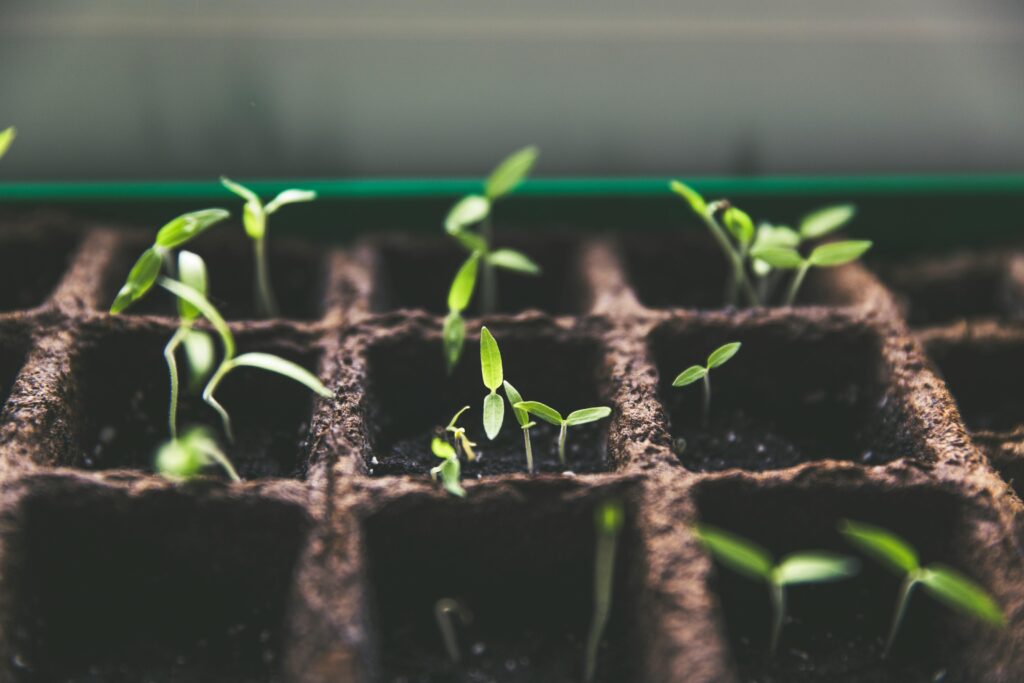
Welcome to the aromatic world of garlic cultivation. Imagine opening your pantry in the cold months and finding jars filled with your homegrown garlic cloves, their fragrant promise livening up winter stews and hearty roasts. Garlic isn’t just a staple ingredient—it’s an integral part of a self-sustaining lifestyle. If you’re new to planting garlic or seeking ways to naturally sustain your garlic supply through an entire year, you’re in the right place. Let’s dive deep into how to plant, grow, harvest, and store garlic naturally, ensuring your supply never runs out and your dishes always burst with flavor.
The Basics of Planting Garlic Naturally
The journey to a year-round garlic supply begins with the right planting technique. Garlic is typically planted in the fall, giving the cloves ample time to establish roots before the winter chill sets in. Start with selecting a hardy variety suitable for your climate, as they will naturally perform better throughout the seasons.
Choosing Your Garlic Variety
Choose between softneck and hardneck garlic, as these two main types offer unique advantages:
- Hardneck Garlic: Known for their robust flavor and flower scapes, these are ideal for cold climates.
- Softneck Garlic: Great for warmer areas and longer storage, softneck varieties braid well.
For a sustainable garlic supply, diversify your planting with several varieties to find what naturally yields best under your conditions.
Preparing Your Soil
Garlic thrives in loose, well-drained soil rich in organic matter. Prior to planting, amend the soil with natural compost and aged manure. Ideally, your pH should range from 6.0 to 7.0. Avoid waterlogged areas as garlic roots require good drainage to prevent rot.
Planting Techniques
- Gently separate the cloves from the bulb about one day before planting to avoid drying out the root plates.
- Plant each clove with the pointed end up, 2 inches deep and about 4 to 6 inches apart.
- Mulch heavily with straw or dried leaves to insulate the bulbs through the winter and suppress weeds naturally.
Encouraging Growth and Health
Once planted, garlic demands surprisingly little attention. However, successful cultivation hinges on meeting its natural growth requirements throughout its lifecycle.
Watering and Mulching
Garlic needs consistent moisture to thrive. In spring as shoots appear, ensure the soil remains evenly moist but not saturated. The mulch from planting will naturally keep moisture levels steady and thermal conditions favorable.
Natural Pest and Disease Management
Although garlic is hardy and often repels its own pests naturally due to its sulfur compounds, it’s wise to keep an eye out for any issues:
- Rotate crops on a 3-4 year cycle to prevent soil-borne diseases like white rot.
- Companion plant with chamomile or summer savory, which naturally deter aphids and enhance garlic flavor.
Fertilizing
In early spring, top-dress with compost or a balanced organic fertilizer to provide essential nutrients. Refrain from over-fertilizing, as this can lead to lush tops with little bulb development.
Harvesting Garlic Naturally
Knowing when to harvest is crucial to getting garlic that stores well and lasts all year. Typically, garlic is ready to be harvested in mid to late summer when the bottom leaves begin to brown, yet 5 to 6 upper leaves are still green.
To ensure longevity, dig up rather than pull the garlic, preserving the bulbs’ papery skins which protect them during storage. Allow the garlic to cure in a dry, well-ventilated area for two to three weeks.
Storing Your Garlic Harvest
Proper storage is key to making your garlic last naturally until the next harvest season. After curing, follow these steps:
- Trim the roots and cut off stalks, leaving an inch above the bulb.
- Store in a cool, dry place with good air circulation, such as a mesh bag or paper sack.
- Avoid refrigeration; instead, keep them at temperatures around 60°F.
Well-cured and properly stored garlic can last for months without sprouting or shriveling, ensuring you naturally have a continuous supply throughout the year.
Conclusion: Embrace the Self-Sustaining Garlic Cycle
From planting the smallest clove to storing the last bulb, the garlic cycle is a deeply rewarding process that ties you closer to the rhythms of nature. By choosing to grow garlic naturally, you’re investing in a sustainable practice that pays dividends through flavor, health, and independence. Embrace this cycle, and soon enough, garlic scapes will be on your stir-fry, delicious cloves in your pantry, and the knowledge that you’re living more harmoniously with the earth will light your culinary path year-round.
So why not dig in? In your very own patch of soil, the promise of flavorful meals awaits. Start planting your garlic naturally today and savor the journey of sustainability and self-reliance.