If you’ve got the winter blues and are craving something fresh and green, spinach might be just the season-extending crop you need. One of the first greens ready to harvest in spring, spinach is rich in vitamins and nutrients—exactly what your body needs after months without garden-fresh produce.
As a cold-hardy crop, spinach thrives in chilly weather and produces generous yields of antioxidant-rich leaves. But be warned: even a hint of temperatures above 80°F can trigger bolting and bring your spinach season to a swift end.
The secret to growing spinach? Plant early—really early. With the right timing, you’ll be harvesting lush green salads while your neighbors are still waiting for their tomato seeds to sprout.
When and Where to Grow Spinach
Spinach is fast-growing and can be harvested before many other garden crops have even germinated. You can enjoy bountiful harvests in both spring and fall. Although spinach thrives in full sun, it’s important to keep the plants cool—once they overheat, they’ll bolt quickly.
How to Plant Spinach
Because spinach germinates best in cool soil, direct sowing is usually the most effective method. As soon as the soil is workable—typically about 6–8 weeks before your average last frost—plant a few seeds every week to stagger your harvest and extend the season.
Alternatively, if it’s too late for direct seeding, consider using transplants from a local nursery.
Understanding Spinach Seed Germination
Spinach seeds vary in shelf life—some last just 1–2 years, while others remain viable for up to five years. Always check the age and storage conditions of your seeds. Poor germination is often due to old or improperly stored seeds.
In ideal chilly (but not freezing) weather, spinach seeds will germinate within a week.
Preparing a Spinach Bed
Spinach prefers full sun and slightly alkaline to neutral soil with a pH between 6.5 and 7.5. Because spinach forms a deep taproot, prepare your soil by tilling deeply and enriching it with moisture-retentive, nitrogen-rich compost. Composted manure or blood meal are excellent organic options.
Direct Sowing Spinach
You can sow spinach seeds outdoors as soon as the soil is workable—even before your last frost date. For cold frames or high tunnels, you can start even earlier.
- Sow seeds ½ inch deep, 2 inches apart, in rows spaced at least 12 inches apart.
- Thin seedlings once they have four true leaves, spacing them 6 inches apart to avoid overcrowding and disease.
The thinned baby spinach can be eaten fresh—bonus harvest!
If temperatures rise above 80°F consistently, the crop will bolt. To get another round, sow again in late summer for a fall harvest. You can also plant in October and protect plants through winter for an ultra-early spring harvest.
Growing Spinach in Containers
Spinach grows beautifully in pots, making it ideal for small spaces and urban gardeners.
- Use shallow containers or salad trays with quality potting soil.
- Plant seeds ½ inch deep and thin to 3 inches apart when true leaves appear.
- Place containers in full sun and keep the soil moist.
- If leaves begin to pale, supplement with an organic nitrogen fertilizer.
Tip: Move containers into the shade or cooler areas during hot weather to extend the harvest.
Watering and Mulching Spinach
Spinach prefers cool, moist soil. Water deeply once a week (about 1 inch of water). Instead of hand-pulling weeds—which may disturb the taproot—use mulch like straw or grass clippings to suppress weed growth and retain moisture.
Companion Planting and Crop Rotation
Spinach is a great team player in the garden:
- Most crops (except legumes) grow better after spinach, making it ideal for rotation plans.
- It pairs well with kale, lettuce, and brassicas like broccoli and cabbage.
- Plant spinach between slow-growing crops—like cabbage or broccoli—and it will mature before they need more space.
Common Spinach Pests and Diseases
Spinach usually matures before peak pest season, but here are some issues to watch for:
- Leafminers: These flies lay eggs under the leaves, and larvae tunnel through the foliage. Remove affected leaves or use floating row covers.
- Flea Beetles: These early-season pests chew tiny holes in leaves. Use row covers or distract them with trap crops like eggplant.
- Spinach Blight: A fungus spread by aphids. Prevent it by planting resistant varieties (e.g., ‘Indian Summer’), encouraging ladybugs, and avoiding handling wet plants.
Harvesting and Storing Spinach
Spinach is usually ready for harvest in 6–8 weeks. You can:
- Harvest selectively by snipping outer leaves.
- Cut the whole plant about 1 inch from the base to encourage regrowth.
Always harvest before bolting; mature leaves turn bitter quickly.
After harvesting:
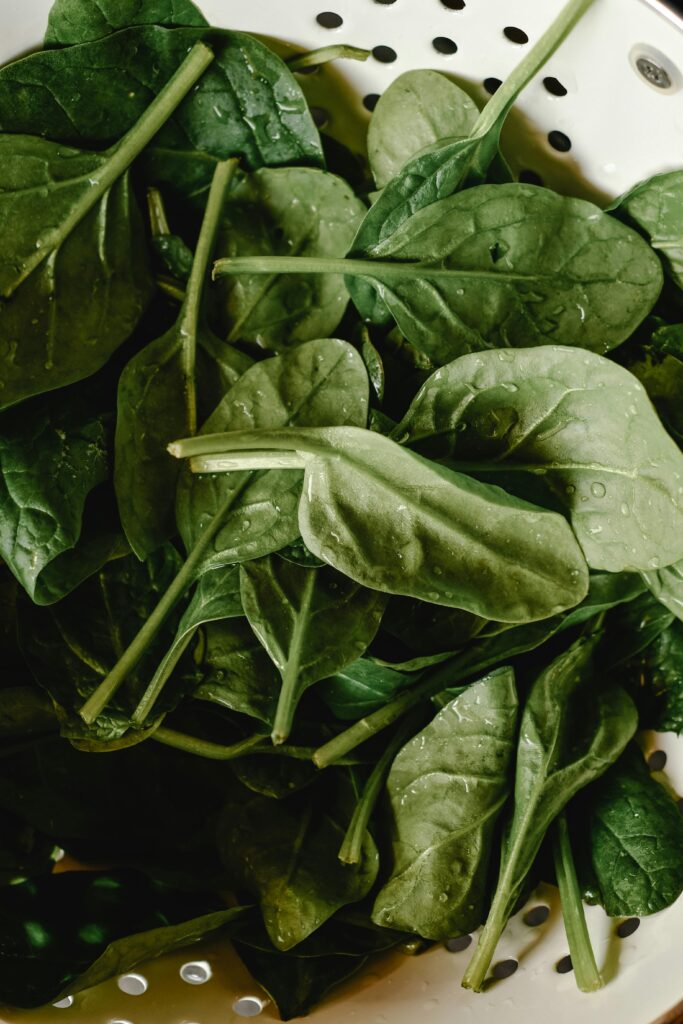
- Rinse leaves in cold water.
- Spin dry and store in the fridge for up to a week.
- For longer storage, blanch and freeze, or dehydrate the leaves.
How to Save Spinach Seeds
Spinach cross-pollinates easily, so isolate seed crops with row cover if you want to preserve purity. Allow plants to bolt and set seed, staking them if necessary.
Once seeds are dry:
- Harvest the entire plant.
- Thresh it over a tarp.
- Separate and store seeds in a cool, dry place—they’ll stay viable for years.
Choosing the Best Spinach Varieties
Pick varieties based on your growing season:
- Cold-tolerant varieties:
- ‘Bloomsdale’
- ‘Regiment’
- Heat-resistant varieties:
- ‘Tyee’
- ‘Bloomsdale Long Standing’
- ‘Space’
For better germination during warm spells, plant seeds deeper—about 1 inch—to keep them cool.
Bonus Tips for Organic Spinach Success
- Improve germination: Soak seeds in compost tea for 20 minutes before planting, or chill them in a wet paper towel in a zip-top bag in the fridge for a week.
- Use cold frames: Extend your spinach season through winter.
- Harvest regularly: Pick large leaves consistently to delay bolting.
- Plant summer spinach in shade: Growing it behind tall crops like corn or pole beans helps protect it from heat.
Spinach is one of the most satisfying early crops you can grow. With a little planning and attention, you’ll be rewarded with fresh, nutrient-packed greens long before summer even begins.