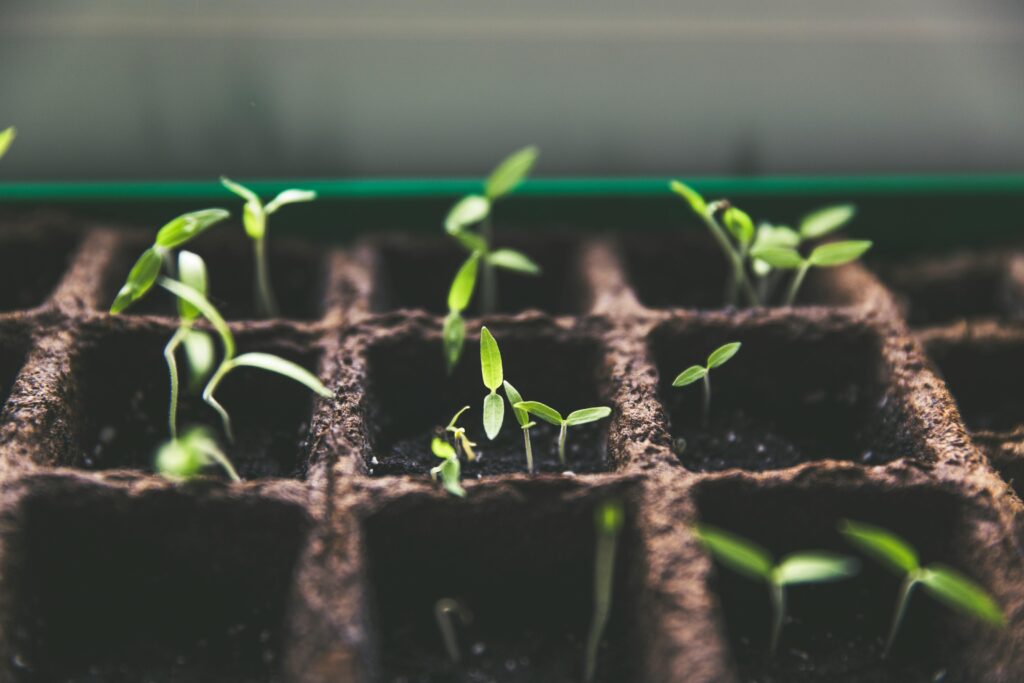
Companion planting is a time-honored tradition and an ingenious strategy in organic gardening that can enhance your garden’s productivity, naturally. With both ancient wisdom and modern scientific studies backing its effectiveness, this practice is a win-win for anyone looking to boost their garden’s success without the need for synthetic chemicals. In this blog post, we’ll take a deep dive into some easy companion planting wins you can implement, enriched with historical relevance and scientific credibility.
Think of companion planting as developing a natural ecosystem in your garden, where plant relationships are beneficial and symbiotic. Whether you’re a seasoned gardener or just starting out, companion planting offers natural advantages that can significantly improve your gardening results. By strategically pairing plants, you can reduce pests, boost growth, and even enhance flavors, making it a staple consideration for any organic gardener.
Understanding the Basics of Companion Planting
Companion planting involves placing certain plants in proximity to each other for mutual benefits. These partnerships can arise from several natural interactions, including physical support, pest deterrence, and nutrient sharing. The concept is both rooted in traditional practices and supported by scientific observations.
The Science Behind Companion Planting
While historical practices of companion planting were purely empirical, modern science provides a clearer understanding of how these plant partnerships work. Researchers have identified a few key ways in which companion planting benefits your garden, naturally:
- Pest Control: Certain plants naturally deter pests. For example, marigolds release a chemical called limonene, which repels whiteflies.
- Pollinator Attraction: Flowers like borage and lavender naturally attract bees and other pollinators, ensuring your fruit and vegetables get the attention they need to set fruit.
- Nutrient Enhancement: Legumes, such as peas and beans, naturally fix nitrogen in the soil. This benefits nutrient-hungry plants like spinach and corn planted nearby.
- Microclimate Creation: Tall plants like corn can offer shade and wind protection to more delicate, shade-loving plants such as lettuce.
Natural Companion Planting Pairs
Let’s explore some specific, tried-and-true companion planting combinations that have been traditionally successful, backed by science, and easy for gardeners of any skill level to implement. These pairs thrive together due to their complementary needs and the natural benefits they provide each other.
Tomatoes and Basil
Not just a culinary dream team, tomatoes and basil are a classic example of companion planting, admired both in the garden and the kitchen. Basil’s strong scent naturally repels flies and mosquitoes, protecting tomato plants from damage. Meanwhile, tomatoes offer partial shade that can help basil retain moisture in the summer heat. Scientific studies also suggest that basil can enhance the flavor of your tomatoes, making them naturally sweeter.
Carrots and Onions
Carrots and onions are a natural pairing that works particularly well in the fight against garden pests. Carrots are susceptible to carrot flies, while onions repel them. At the same time, onions may suffer from onion maggots, but the presence of carrot foliage confuses these pests, offering mutual protection. This natural method keeps both carrot and onion yields high with minimal intervention.
Beans and Corn
This Native American duo, known in some circles as part of the “Three Sisters,” combines beans and corn for natural mutual benefit. Beans naturally enrich the soil with nitrogen, a vital nutrient for corn. Meanwhile, the tall corn stalks offer a natural support structure for the beans to climb, reducing the need for additional trellising.
Implementing Companion Planting in Your Garden
Ready to incorporate companion planting into your garden? Here’s how you can get started, ensuring naturally successful outcomes:
- Research and Plan: Before planting, research which companion plants are suited to your climate and soil type. Planning your garden layout with natural pairings in mind is crucial for maximizing benefits.
- Start Small: If you’re new to companion planting, start with one or two combinations. This allows you to observe interactions and learn naturally without overwhelming yourself or your plants.
- Monitor and Adjust: Pay attention to how your plants interact. If a pairing doesn’t seem to work as expected, don’t hesitate to adjust your strategy.
- Experiment Continuously: Every garden is different, and sometimes the most effective solutions come from your own experiments.
Conclusion: Harnessing the Power of Nature Naturally
Companion planting naturally enhances your gardening practice and empowers you to cultivate a more bountiful and sustainable garden. Embracing this approach not only helps reduce the reliance on synthetic fertilizers and pesticides but also improves soil health and fosters greater biodiversity. It’s both an homage to gardening traditions and a testament to the power of nature.
Start small, experiment, and grow your knowledge alongside your plants. With each season, you’ll acquire new insights and naturally strengthen your garden’s ecosystem. As you embrace companion planting, you’ll become more attuned to the rhythms of nature, equipping yourself with the skills to create a thriving, self-sustaining garden oasis. Happy planting!