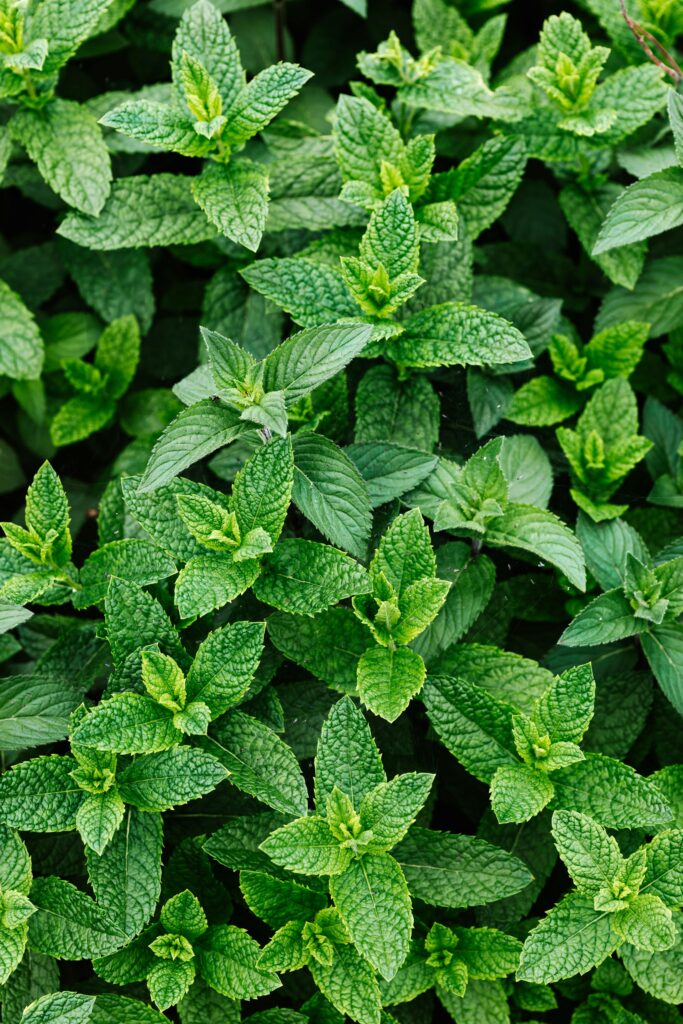
Love a good mojito or a refreshing splash of mint in your iced tea? You’re in luck—mint is one of the easiest (and most enthusiastic) herbs to grow at home. Once it gets going, it doesn’t just thrive—it takes over. If you’re not careful, that charming little plant can turn into a full-on garden takeover.
Still, mint is beloved for a reason: it’s fragrant, versatile, and forgiving. It grows happily in a variety of environments, whether tucked into a pot on your windowsill or spreading its roots in the garden. And it’s as handy in the kitchen as it is in your medicine cabinet—think teas, sauces, desserts, and even digestive support.
Before you dive into growing your own mint patch, there are a few tips and tricks to make sure your mint behaves (and tastes) its best.
Start Growing Mint
Where and When to Grow Mint
Mint is a cold-hardy perennial that doesn’t mind a little neglect. It prefers full sun but will still grow well in partial shade, and you can grow it outdoors in the garden, in raised beds, or indoors in containers year-round.
If you’re starting from seed, sow indoors about 6–8 weeks before your last expected frost. For faster results, use a cutting or transplant from an established plant—more on that below.
How to Grow Mint (3 Easy Methods)
There’s more than one way to grow mint. Choose the method that best fits your time and gardening experience.
1. Growing Mint from Seed
Starting mint from seed is doable, but it’s not always predictable. Many mint varieties hybridize easily, so the flavor or appearance might not match what you expected. Peppermint, for example, rarely grows true from seed.
If you do want to try seeds:
- Sow them on the surface of moist potting soil (they need light to germinate).
- Keep the soil warm—between 68–75°F.
- Germination usually takes 10–14 days.
- Once the seedlings develop a second set of leaves, they’re ready to move outdoors or into larger pots.
2. Propagating Mint from Cuttings
This is one of the easiest and most reliable ways to start mint:
- Snip a healthy 4–6″ stem just above a leaf node.
- Remove the lower leaves and place the cutting in water.
- Within a week, roots should appear. Plant in soil once roots are at least 1″ long.
3. Planting Runners
Mint sends out runners—horizontal stems that root themselves as they grow. You can dig up a runner with its roots attached and replant it wherever you want a new mint patch. Just be sure you want it there. Once it’s planted, it’s very committed.
Growing Mint in Pots or the Garden
In Containers
Growing mint in pots is a great way to keep it under control. Choose a deep container with good drainage, and place it in a sunny spot like a patio or kitchen window. Container-grown mint tends to be less invasive and easier to harvest on a whim.
In the Ground
Thinking of letting mint loose in the garden? Proceed with caution. Mint grows aggressively and will happily crowd out other plants. If you plant it in open soil:
- Choose a location with full sun to partial shade.
- Use a barrier or plant it in a bottomless container buried in the soil to restrict its spread.
- Space multiple plants at least 15″ apart.
- Enrich soil with compost and ensure good drainage.
Watering, Mulching, and Maintenance
Mint likes moisture, especially in its first year. Keep the soil consistently damp (but not soggy). Applying mulch helps retain moisture and can also keep the plant from spreading too much. In colder climates, mulch also insulates the roots over winter.
To keep your plant compact and bushy, snip the tops regularly. Mint responds well to pruning and often grows back stronger after a good trim.
Companion Planting and Garden Planning
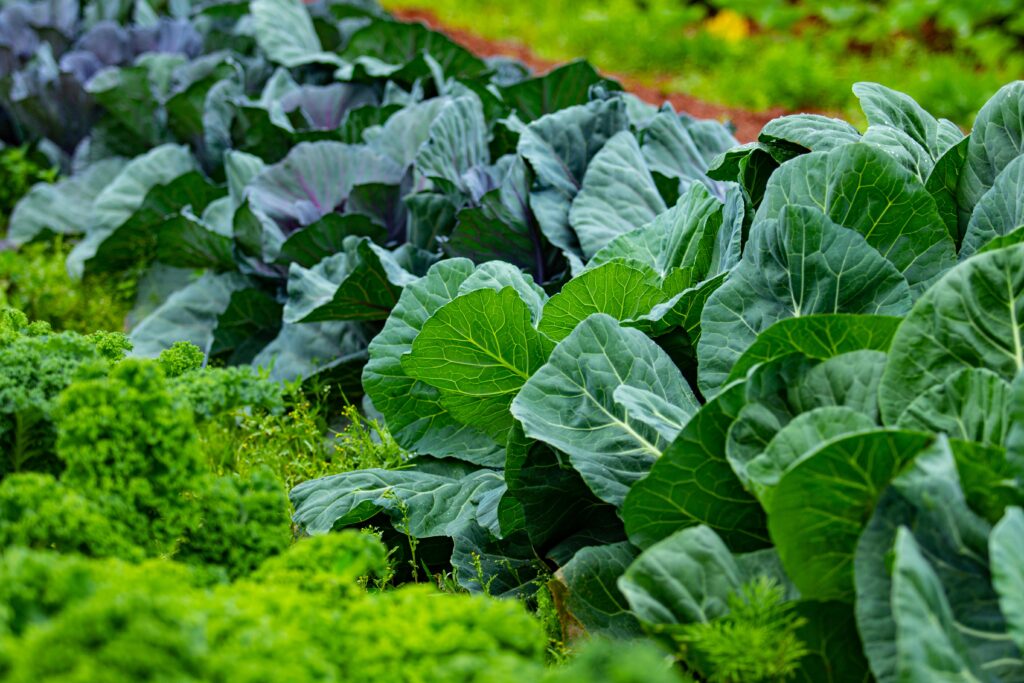
Because of its tendency to spread, mint doesn’t play well with others—especially in tight quarters. That said, its strong scent deters common pests, making it a helpful companion to crops like:
- Cabbage
- Kale
- Broccoli
Keep mint in its own area or pot near these plants for natural pest protection without letting it overrun them.
Pests and Diseases
Mint is relatively pest-resistant, thanks to its strong scent. Still, it’s not invincible:
- Aphids and flea beetles may show up—treat with a gentle soap spray.
- Rust appears as orange spots on leaves—remove infected parts and treat with organic fungicide.
- Verticillium wilt and mint anthracnose can impact overcrowded or soggy plants. Good air circulation and well-drained soil help prevent issues.
How (and When) to Harvest Mint
Once your mint is thriving, harvest freely! The more you pick, the more it grows.
- Harvest in the morning when oils are most concentrated.
- Trim stems just above a pair of leaves.
- Leave at least ⅓ of the plant to allow it to regrow.
To dry your mint:
- Gather stems in bunches.
- Hang them upside down in a cool, dry space.
- Once dry, crumble and store in an airtight container.
You can also freeze mint in ice cube trays with water or oil for easy access year-round.
Saving Mint Seeds (If You Must)
Most gardeners skip seed saving with mint since cross-pollination is so common. But if you’re curious:
- Let flowers dry on the plant.
- Crush flower heads to release seeds.
- Store in a dry, cool spot until the next growing season.
To preserve the genetics of a specific variety, isolate it from other mints to prevent cross-pollination.
Best Mint Varieties to Grow at Home
Here are a few standout mints to consider:
- Peppermint: Bold and cooling, great for teas and digestive support.
- Spearmint: Milder flavor, perfect for culinary use and cocktails.
- Apple Mint: Fuzzy leaves with a subtle fruity twist—great in desserts.
- Ginger Mint: Bright green with yellow streaks and a refreshing kick.
Extra Tips for Thriving Mint
- Prune aggressively: Don’t be afraid to cut it back hard.
- Prevent flowering: Pinch off flowers to extend leaf production.
- Contain the roots: Use a buried pot or root barrier in the garden.
- Avoid eating seeds: Mint seeds are toxic if ingested—keep them away from kids and pets.
Mint is a forgiving herb that rewards even the newest gardeners with lush, fragrant growth—and endless kitchen inspiration. With just a bit of containment and care, you’ll be swimming in mint all season long.