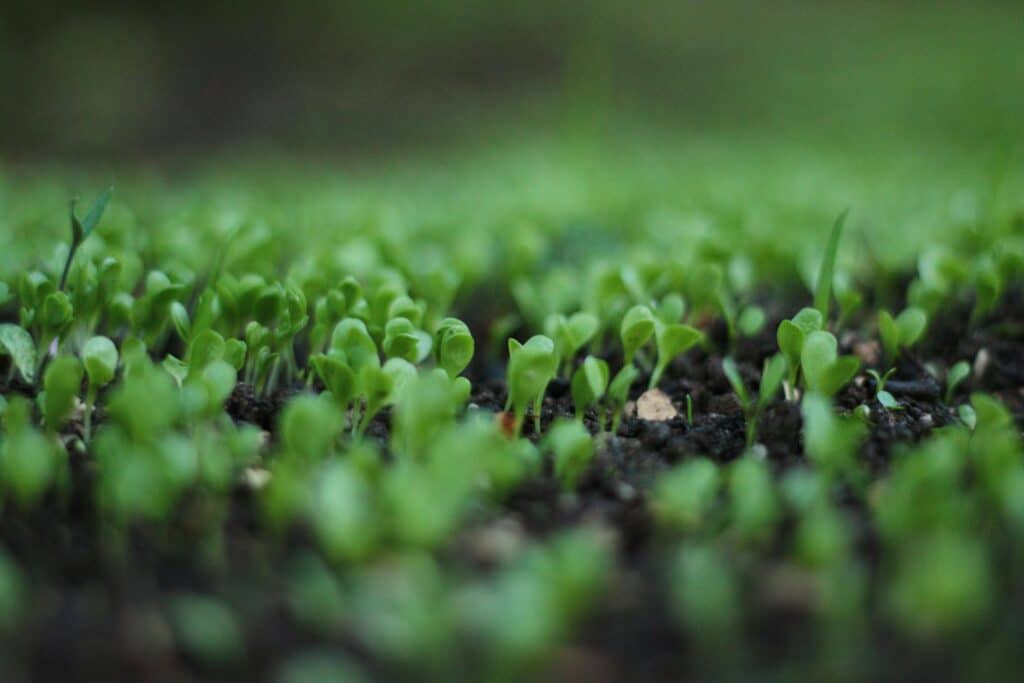
Imagine peering into your garden and seeing an abundance of healthy, blossoming plants. While the beauty of thriving flora is partly credited to strategic planting and care, there’s an alchemical ingredient at play that many successful gardeners swear by—Fermented Fruit Juice (FFJ). This natural elixir is a powerhouse in the language of sustainable agriculture, transforming ordinary plots into vibrant ecosystems brimming with life.
How does FFJ conjure such magic? At its core lies a natural synergy between sugars, enzymes, and microbes. These elements harmoniously boost soil life, enhance flowering, and ensure prolific fruit production. Join us as we delve into the biological wonders of FFJ and uncover how this powerful mix of nature’s chemistry can revolutionize your gardening approach.
The Science Behind the Magic: What is FFJ?
Fermented Fruit Juice, or FFJ, is more than just a catchy term thrown around by organic gardeners. It’s a concoction made from freshly gathered fruits, combined with sugar and naturally fermented over time. This process not only preserves the fruits’ nutrients but enhances them, creating a concentrate that acts as a natural fertilizer.
Through the magic of fermentation, beneficial bacteria and yeasts break down the sugars, resulting in an end product rich in enzymes, vitamins, and amino acids. These components are crucial to plant health, which we’ll explore more deeply as we understand how FFJ impacts your garden.
The Role of Sugars in FFJ
Sugars are the backbone of FFJ. When fruits and sugars are combined, they set off a fermentation process that is both dynamic and biologically transformative. But why are sugars so vital?
- Fuel for Fermentation: Sugars serve as the primary food source for the microbes involved in fermentation. This sustenance keeps the microbial community active and productive, enhancing the efficiency of the fermentation process.
- Plant Energy Source: Once applied to plants, FFJ provides an instant energy boost due to its high sugar content. This energy is crucial during the flowering and fruiting phases, where plants require additional nutrients to produce blooms and fruits.
Enzymes: Catalysts of Growth
Enzymes are proteins that facilitate biochemical reactions. Within the ecosystem of FFJ, they are the silent workers driving plant and soil health. How do they perform this role?
- Nutrient Availability: Enzymes break down complex organic matter into simpler compounds that plants can easily absorb. This ensures that essential nutrients reach the plant roots efficiently.
- Fighting Stress: Certain enzymes help plants better manage stress from environmental factors like heat and drought, making them more resilient naturally.
Microbes: The Garden’s Little Helpers
Microbes are the unsung heroes of healthy soil, working tirelessly to keep the ecosystem balanced and thriving. In FFJ, an array of bacteria and yeasts are responsible for various roles beneficial to plant life.
- Decomposing Organic Matter: These microbes help speed up the decomposition of organic materials, recycling nutrients back into the soil, which is crucial for sustainable farming practices.
- Improving Soil Structure: By enhancing the formation of soil aggregates, microbes improve soil aeration and water retention, promoting healthier plant root systems naturally.
Boosting Flowering and Fruit Production Naturally
One of the key benefits of using FFJ is its remarkable ability to boost flowering and fruit production. This occurs through several mechanisms enhanced by the FFJ’s composition.
- Prolific Blooming: The natural sugars and enzymes in FFJ supply necessary nutrients during the critical blooming phase, encouraging more robust flower production.
- Enhanced Fruit Development: FFJ provides plants with the nutrients that support not only the formation but also the growth of fruits, resulting in larger, more flavorful harvests.
Application Tips for Optimizing FFJ Usage
While FFJ offers numerous benefits, using it effectively in your garden is crucial for optimal results. Here are some pointers to guide your FFJ journey:
- Timing is Key: Apply FFJ during the early morning or late afternoon when temperatures are cooler to reduce evaporation and ensure nutrient absorption.
- Dilution Matters: Always dilute FFJ in water, typically at a 1:500 ratio, to avoid overwhelming your plants with too many nutrients at once.
- Regular Application: Use FFJ as part of your regular fertilizing schedule, applying once every one to two weeks during the growing season.
Conclusion: Embrace the Natural Alchemy of FFJ
Fermented Fruit Juice is a testament to the incredible synergy found in nature, where every element plays a vital role in nurturing life. By harnessing the power of sugars, enzymes, and microbes naturally, FFJ offers gardeners an effective, sustainable solution to boost soil health, enhance flowering, and drive fruit production.
Ready to tap into this biological magic? Embrace FFJ as a staple in your gardening arsenal and witness your plants transform into lush, productive wonders. As you explore this natural technique, you’ll find a deeper connection to the sustainable processes of life. Engage with us in the comments below, share your experiences, and let’s grow healthier gardens together!